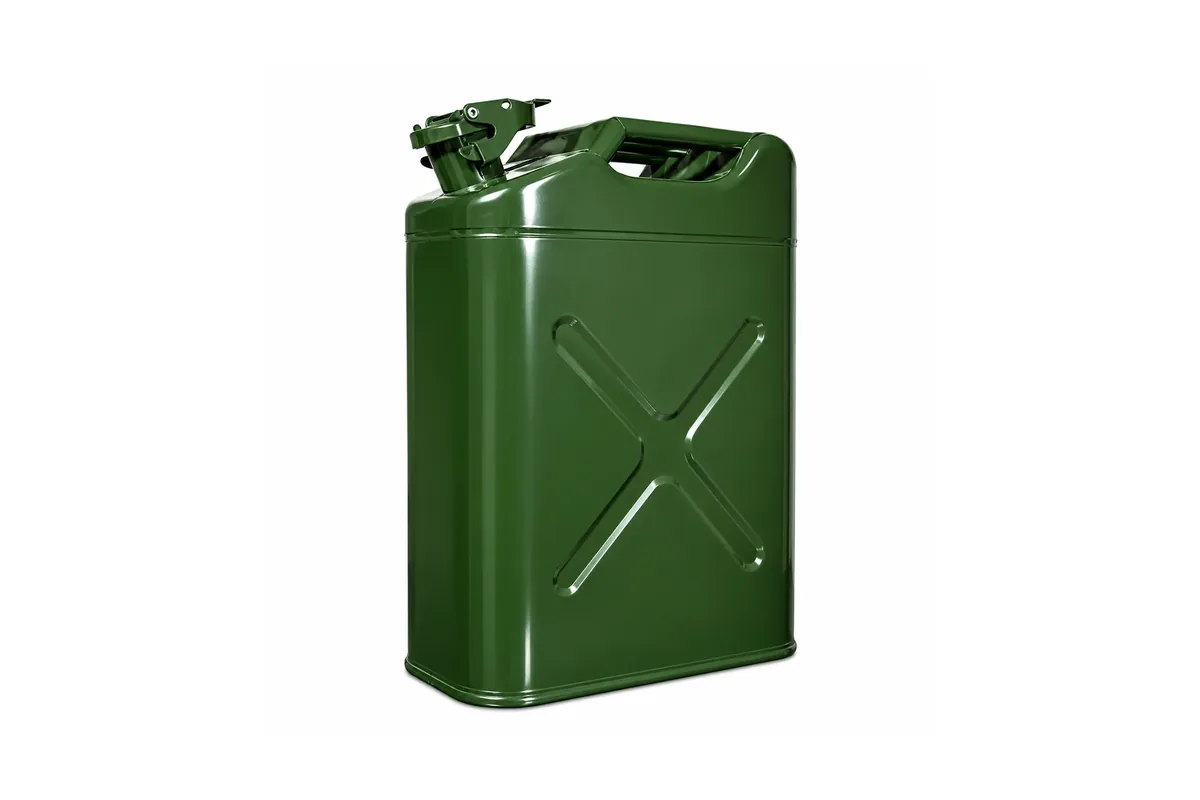
Fuel degrades, and stored fuel is both a fire risk and a regulated one. This covers how long common fuels keep, what shortens their life, and the storage basics. Confirm the quantity and licensing rules for your own jurisdiction; this is general guidance, not a compliance ruling.
How long fuel keeps
As a rough guide, petrol keeps three to six months in a sealed container, less once it contains ethanol. Diesel keeps six to twelve months, longer if kept cool, dry and treated. Kerosene stores longer still. Heat, air and water all shorten these times, so a full, sealed can in a cool dark place lasts longest.
Ethanol is the complication
Petrol blended with ethanol, at E10 and above, draws moisture from the air and can phase-separate, leaving water and ethanol at the bottom of the can. It also attacks some seals and coatings. For longer storage, use ethanol-free fuel where available, or a stabiliser rated for ethanol blends, and confirm the container is rated for the blend.
Stabilisers
A fuel stabiliser slows oxidation and can extend usable life to a year or more. It does not reverse degradation, so add it to fresh fuel, not old. Follow the dose on the product.
Vapour and static do the real damage
A fire around stored fuel rarely starts in the liquid. Petrol gives off vapour that is heavier than air, so it sinks, pools along the floor and travels until it reaches an ignition source across the room. Pouring fuel builds a static charge, and one spark will light that vapour. Keep the nozzle touching the container as you transfer, so any charge bonds and drains instead of jumping a gap. Never fill a can in the back of a vehicle or on a plastic liner: the insulated surface lets static build with nowhere to go. Set the can on the ground and fill it there.
The container and the environment
A UN-marked, fuel-rated can is designed and tested to hold fuel; a random jug or reused bottle is not. In some markets the can itself must meet emissions rules on permeation and spouts, covered in EPA and CARB compliance.
- Use a container rated for fuel: steel, or a fuel-grade, often fluorinated, HDPE. See steel vs HDPE.
- Fill cans nearly full to limit the air inside, but leave room for expansion.
- Store cool, dark and ventilated, away from ignition sources and living spaces.
- Keep containers sealed and upright, and label them by contents and date.
- Stand them on a tray or bund so a leak is contained, not spread. See spill containment.
How full, and why the cap matters
Filling nearly full does a job: less air means less oxygen to oxidise the fuel and less room for moisture to condense as the temperature swings. The tension is expansion. Fuel swells as it warms, so a can brimmed on a cool morning can bulge or weep by the afternoon. Leave a small gap for that movement. A vented cap manages the pressure and temperature swings for you, letting the can breathe rather than deform or force fuel past the seal. See venting and pressure.
A common mistake
Three habits cause most of the trouble. Storing petrol in an attached garage puts its vapour near water heaters and other ignition sources, so a detached, ventilated space is safer. Topping up old fuel with fresh dilutes the fresh and does nothing for the old, dragging the whole can down to its weakest part. And sealing fuel in a rigid, non-vented container lets it swell and deform in heat, then draw a vacuum and collapse as it cools. Keep old and new stock separate, and match the container to the fuel.
Quantity and licensing
Most jurisdictions cap how much fuel you may store without a licence, and set rules on container type and location. In Singapore, storage of petroleum and flammable materials is licensed by the Civil Defence Force. Check your local limit before you stockpile.
Match the can to the job
Fuel-rated, vented and labelled. Here is what we would store it in.
| Your use case | Recommended can | Why this one |
|---|---|---|
| General fuel storage | 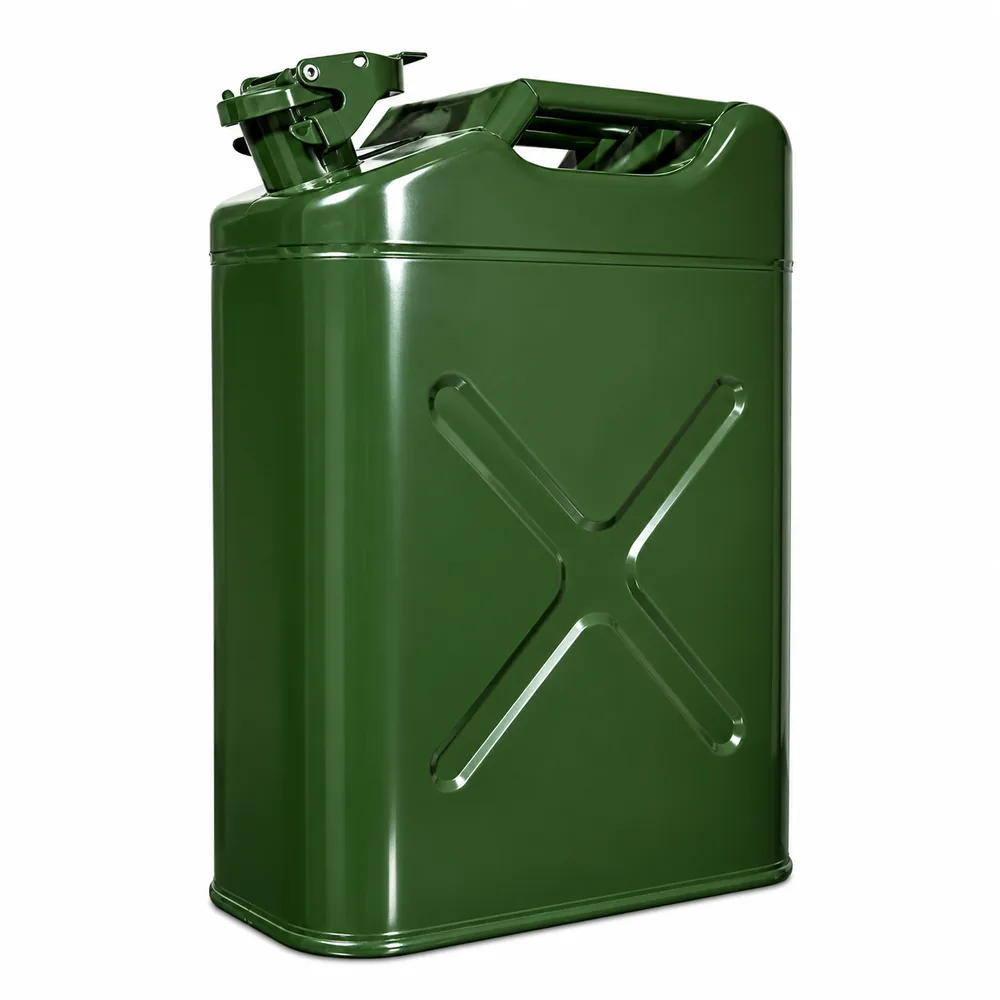 20L NATO Steel Fuel Can 20L NATO Steel Fuel Can |
Coated steel, UN-marked, with a vented cap. |
| A plastic fuel can | 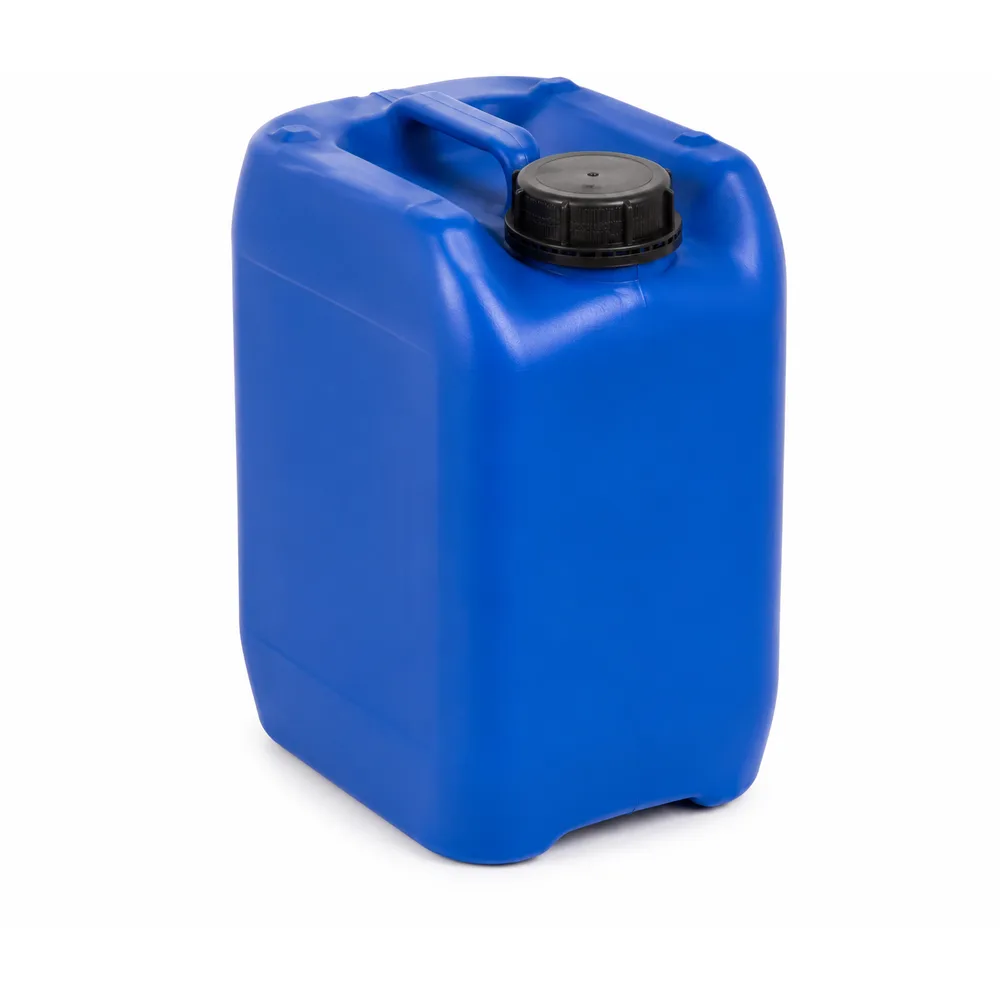 Fluorinated HDPE Jerrycan Fluorinated HDPE Jerrycan |
Fluorinated HDPE to control permeation. |
| Light fuel storage |  20L Aluminium NATO Can 20L Aluminium NATO Can |
Aluminium where weight matters more than cost. |
| US-market fire safety | 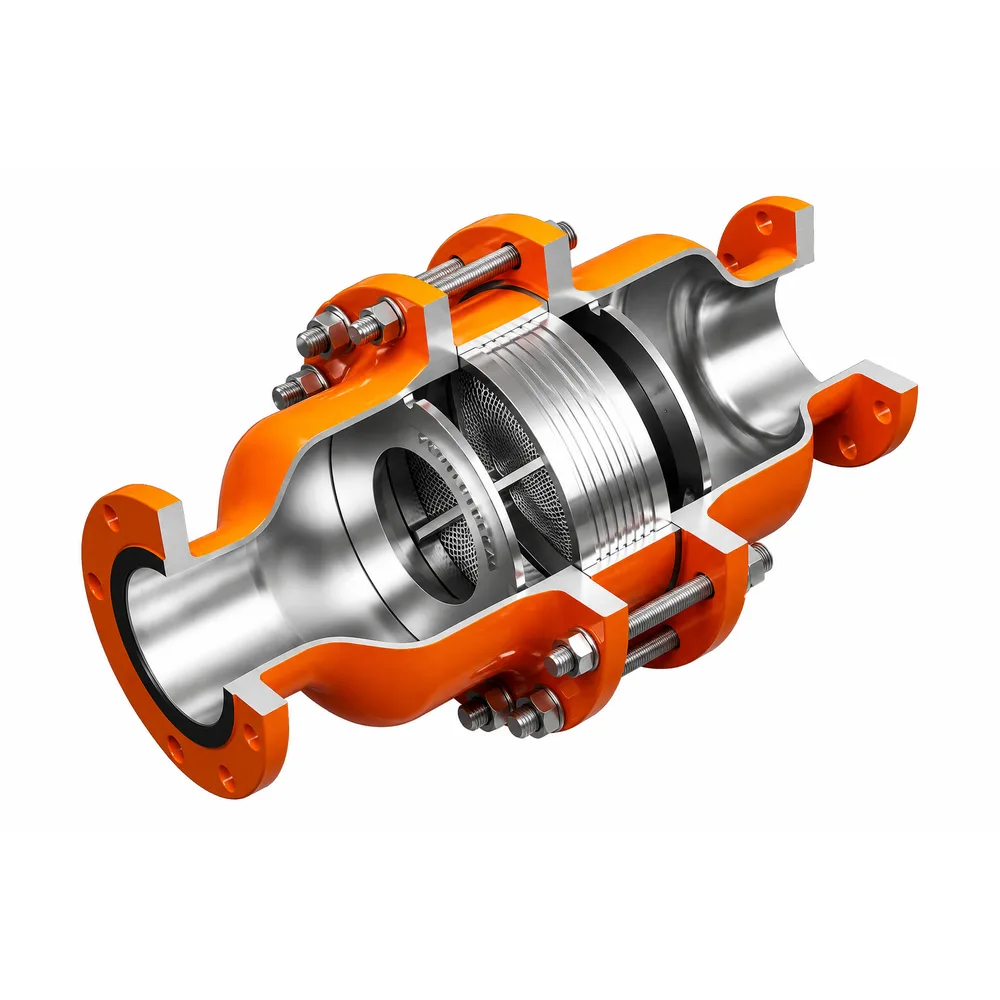 Flame Mitigation Devices Flame Mitigation Devices |
A flame arrestor for markets that require one. |
| US consumer sale | 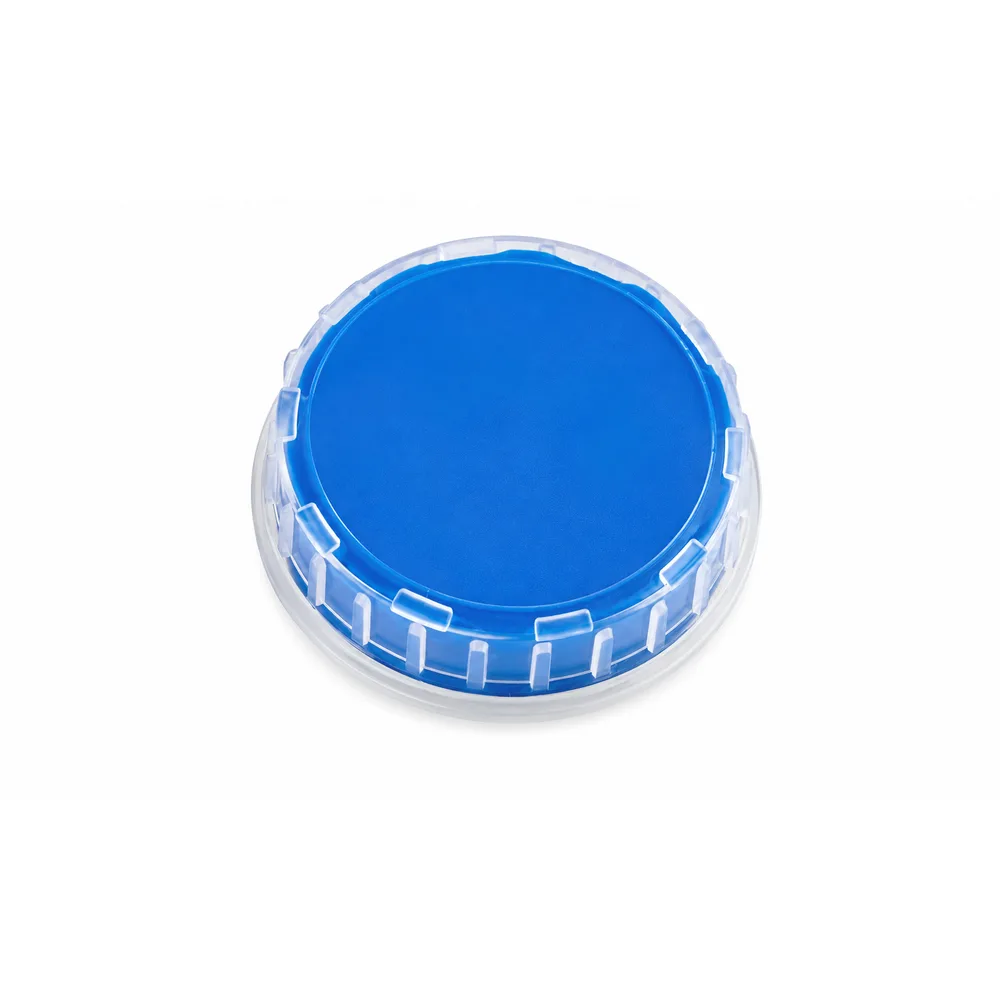 Child-Resistant Closures Child-Resistant Closures |
A child-resistant cap to the CPSC pattern. |