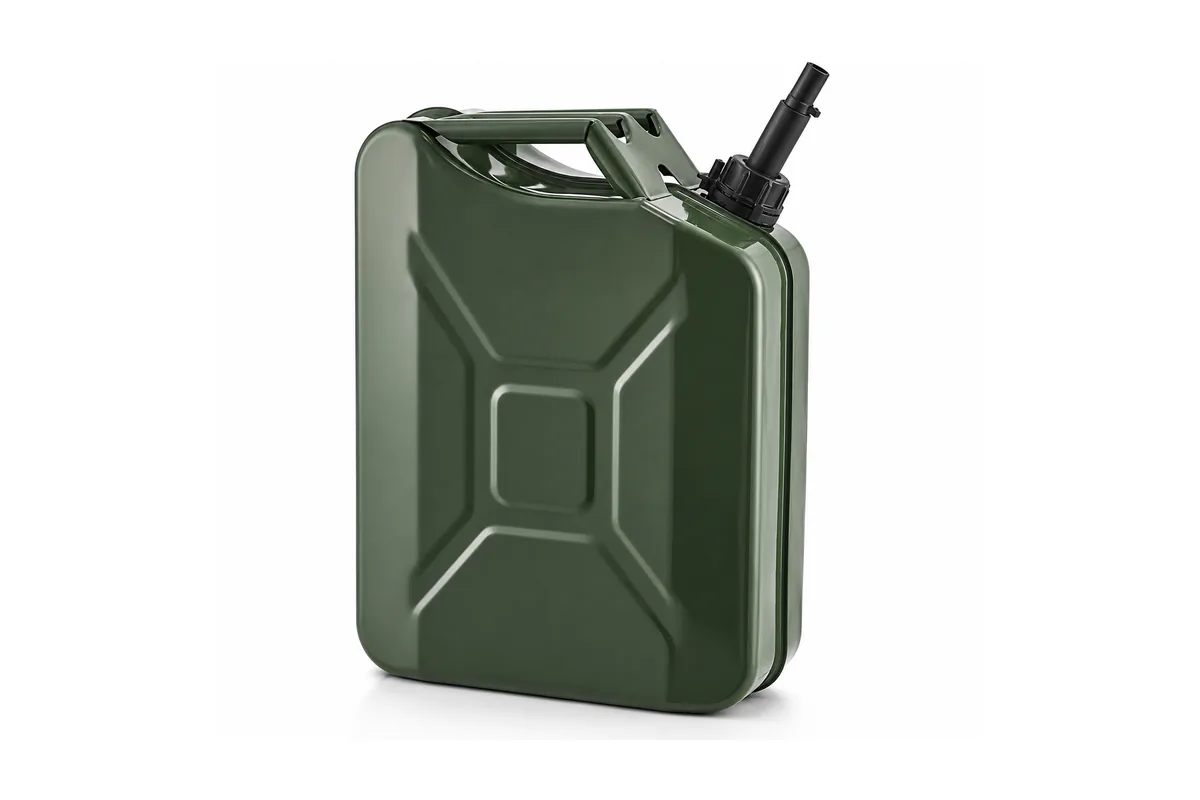
A fuel can that clears UN transport rules can still be barred from sale in the United States. Portable fuel containers face a separate set of federal and California requirements. This is background, not legal advice; confirm current rules and your product's certification before you import.
Two layers: federal and California
The US Environmental Protection Agency (EPA) sets the federal rule for portable fuel containers, under 40 CFR Part 59 Subpart F, and it binds manufacturers and importers alike. The California Air Resources Board (CARB) sets its own, generally stricter, rules for sale in California. The federal rule covers consumer portable fuel containers of roughly 0.25 to 10 US gallons, so a 20L can, about 5.3 gallons, sits squarely inside it. A can sold nationwide has to satisfy both where they apply.
Emissions: permeation and spill
The core of the EPA and CARB rules is emissions. A container must limit how much fuel vapour permeates its walls, and limit spillage and evaporation in use. In practice this drives an automatic-closing spout with no separate vent hole, and a low-permeation material or treatment. Steel does not permeate, which removes one hurdle; a plastic can meets the limit through the correct grade and a treatment such as fluorination.
Child-resistant closure
Under the Children's Gasoline Burn Prevention Act, portable gasoline containers sold in the US must have a child-resistant closure meeting the Consumer Product Safety Commission standard (16 CFR 1460). It is a tested design feature of the cap, not an add-on. We supply child-resistant closures to that pattern.
Flame mitigation device
The Portable Fuel Container Safety Act requires portable fuel containers to include a flame mitigation device, a flame arrestor that stops a flame flashing back into the can. Confirm the current effective scope and sizes, and that the device fitted is a listed one. We supply flame mitigation devices for this.
The route around it: the OSHA safety can
There is an alternative worth knowing, because it changes the whole compliance picture for some buyers. A container listed as a safety can under the OSHA rules (29 CFR 1926.152), typically to a UL 30 or FM listing, is excluded from the EPA’s consumer portable-fuel-container rule, and CARB likewise exempts OSHA and DOT safety cans. A safety can is a different object: a flash-arresting screen, a spring-closing lid and a spout cover, listed by a nationally recognised laboratory. It is not a free pass, and it carries its own cost, but it is one listing instead of a stack of consumer certifications, and it is what defence, airfield and industrial buyers usually ask for in the first place. If your market is professional rather than retail, it is often the cleaner path.
What this means for an importer
To sell a fuel can in the US, the closure and spout system carries most of the compliance load: automatic shutoff, child-resistant, flame-arrested, and low-permeation as a whole. Ask your supplier for the certification or registration for the exact can and closure, and confirm CARB separately if you sell in California.
How Fortitude21 handles it
We specify the closure, spout and flame-mitigation components to the standard your market requires, and supply the documentation with the order rather than assume it. Tell us the destination and we build to its rules. Start with the fuel and gas cans range.
Match the can to the job
Most of the compliance lives in the closure. Here is the kit.
| Your use case | Recommended can | Why this one |
|---|---|---|
| A non-permeating steel can | 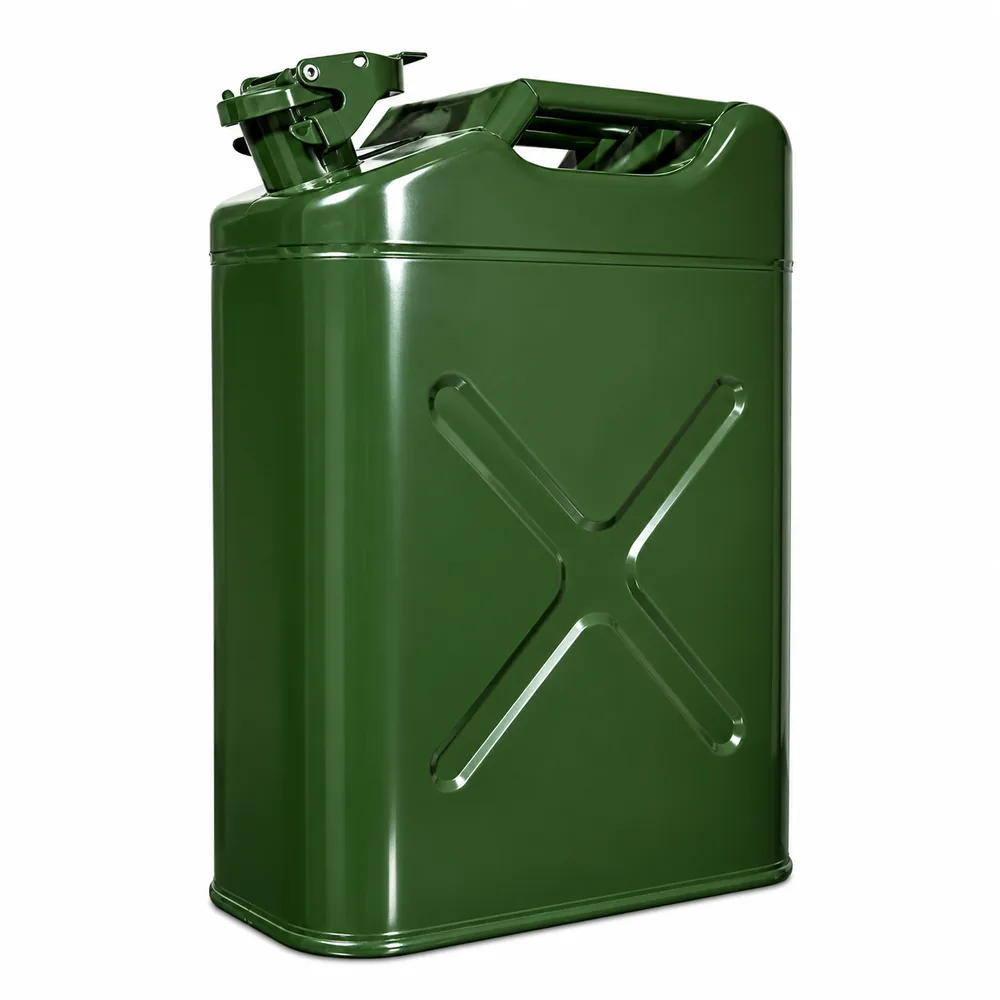 20L NATO Steel Fuel Can 20L NATO Steel Fuel Can |
Steel clears the permeation hurdle. |
| A low-permeation plastic can | 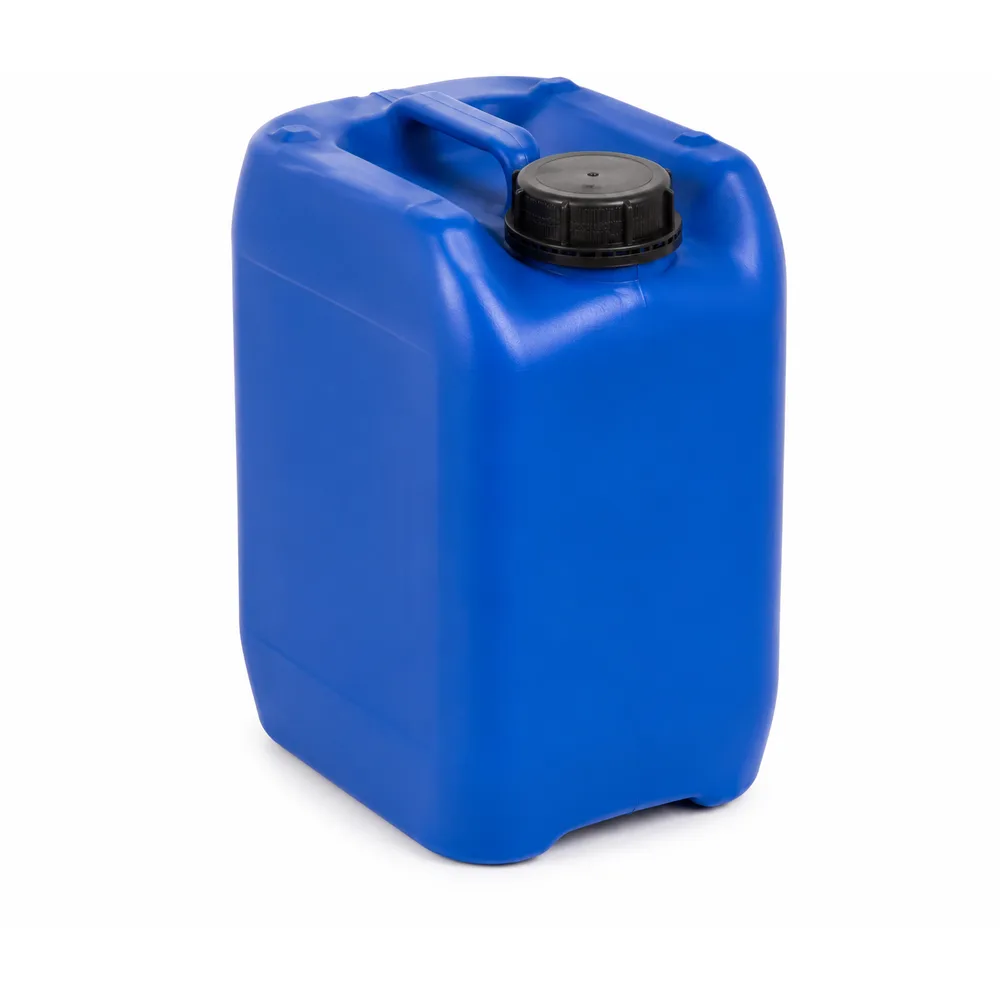 Fluorinated HDPE Jerrycan Fluorinated HDPE Jerrycan |
Fluorinated HDPE meets the limit. |
| US consumer sale |  Child-Resistant Closures Child-Resistant Closures |
Child-resistant cap, 16 CFR 1460. |
| Fire-safety compliance | 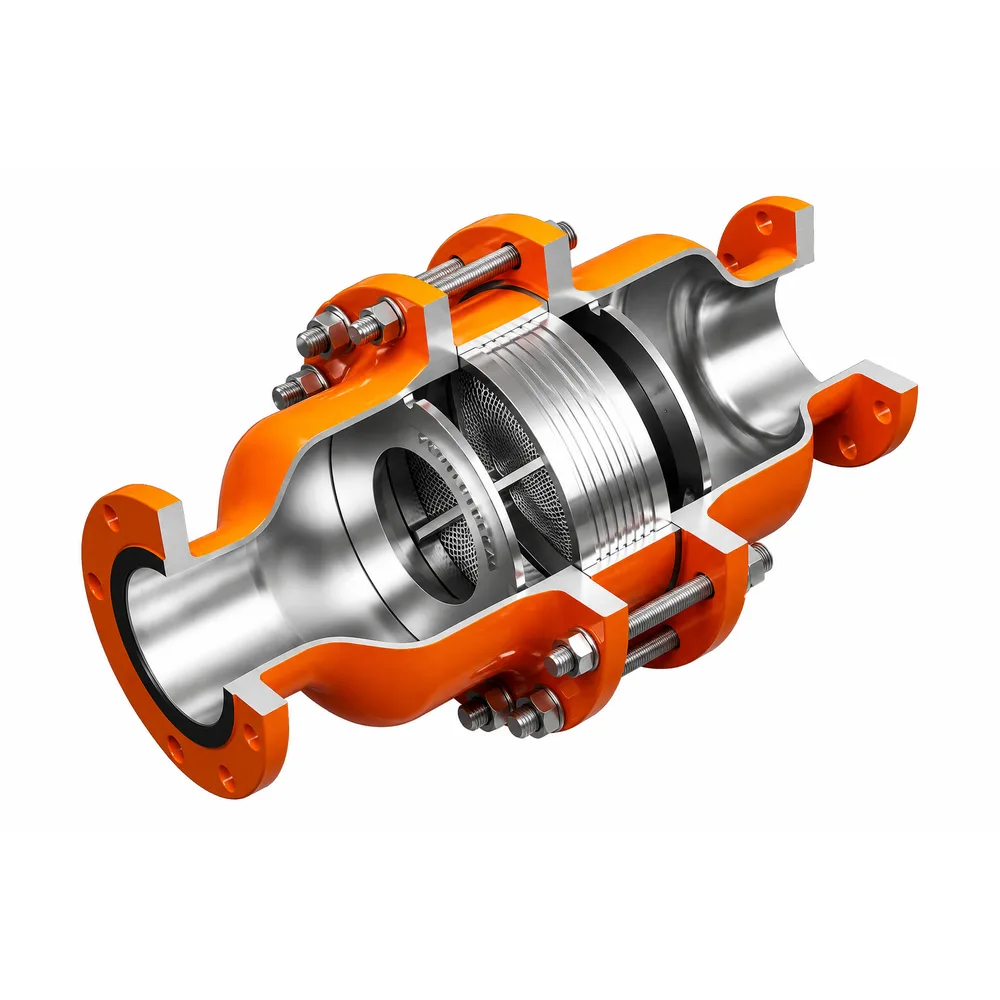 Flame Mitigation Devices Flame Mitigation Devices |
A listed flame arrestor. |