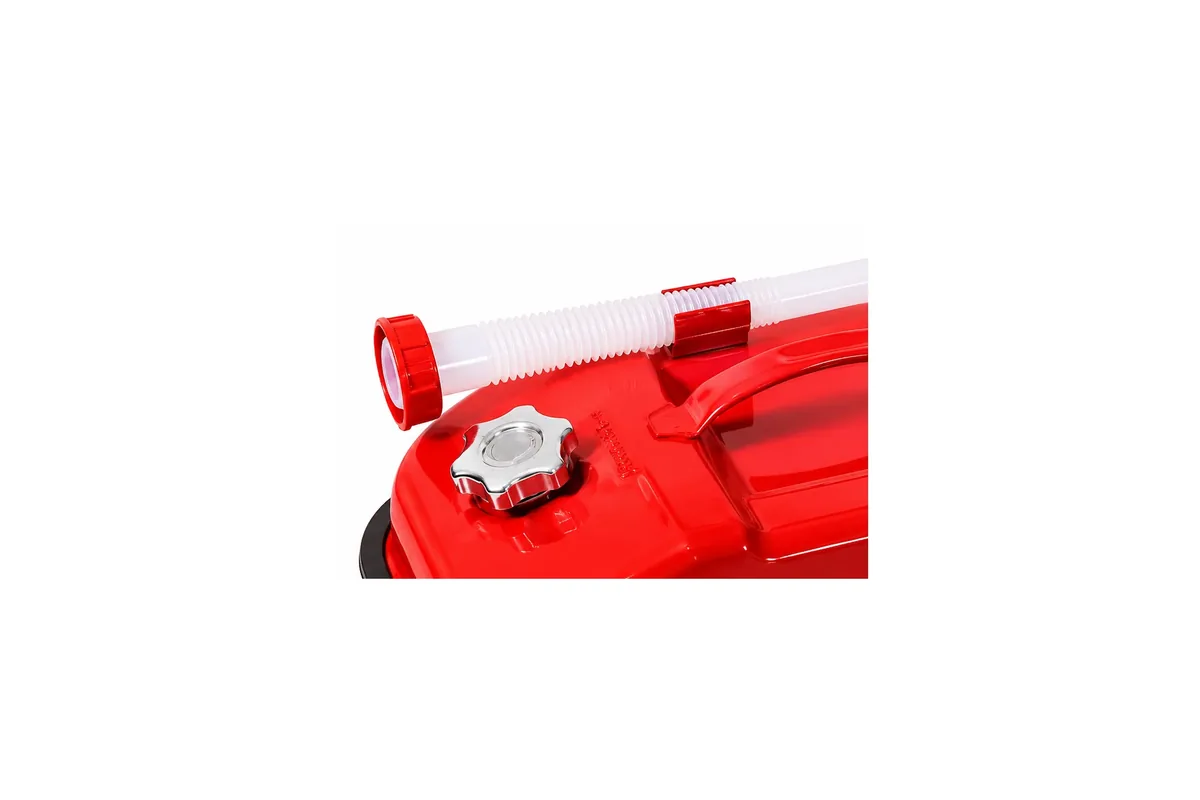
Temperature and altitude change the pressure inside a sealed can of fuel, and a fuel that gives off vapour needs somewhere for that pressure to go.
Why pressure builds
Fuel expands as it warms and gives off vapour, and the air above it expands too. A can filled in the cool of the morning and left in the sun builds internal pressure. Carried up in altitude, the lower outside pressure has the same effect. A rigid sealed can can bulge or, when opened, spray. The swing between a cool fill and a hot afternoon is enough to feel when you crack the cap. Petrol gives off vapour readily, so it drives this harder than diesel, and a diesel can sits quieter in the same heat.
The vacuum on the way down
A non-vented can runs the same physics in reverse. Heat it in the sun, then let it cool overnight, and the vapour inside contracts. With no way to draw air back in, the can pulls a vacuum and its walls dent inward. A can that bulged by afternoon and caved by morning has been fighting a seal that will not let it breathe either way.
What a vent does
A vented cap or a separate vent lets the can equalise: it releases built-up pressure and lets air in as liquid pours out for a smooth pour. It trades a perfect seal for controlled breathing, which suits volatile fuels and hot climates.
Burping a warm can
Before a full pour, burp a warm can. Loosen the cap a little, let the hiss settle, then open it the rest of the way. You release the pressure on your terms instead of at the spout, where a sudden push throws fuel further than you aimed. On a hot day, keep the habit every time you open one.
The compliance twist
Emissions rules pull the other way. EPA and CARB portable fuel containers use an automatic-closing spout with no open vent, to limit vapour loss. A modern compliant fuel can manages pressure through its spout design rather than an open hole. The auto-shutoff spout carries an internal vent path, so the can breathes only while you pour and seals shut when you stop. See EPA and CARB compliance, and how a pouring spout does both jobs at once.
A common mistake
The frequent one is brimming a can to the top in the cool morning, then leaving it sealed in full sun. With no expansion room and no way to vent, the pressure has nowhere to go. A second mistake follows the first: forcing a stuck cap on a can that is already under pressure. If a cap fights you, the can is telling you it is not ready to open flat out. Ease it, let it breathe, then finish the turn.
Practical handling
Leave expansion room when filling, store fuel cool and out of direct sun, and open a warm can slowly to release pressure before it sprays. Good caps and gaskets seal when you want them to and give way when you ease them, so check yours before a trip. Read storing fuel safely.
Match the can to the job
Pressure lives in the closure. Here is the fuel kit from our line.
| Your use case | Recommended can | Why this one |
|---|---|---|
| A fuel can with a vented cap | 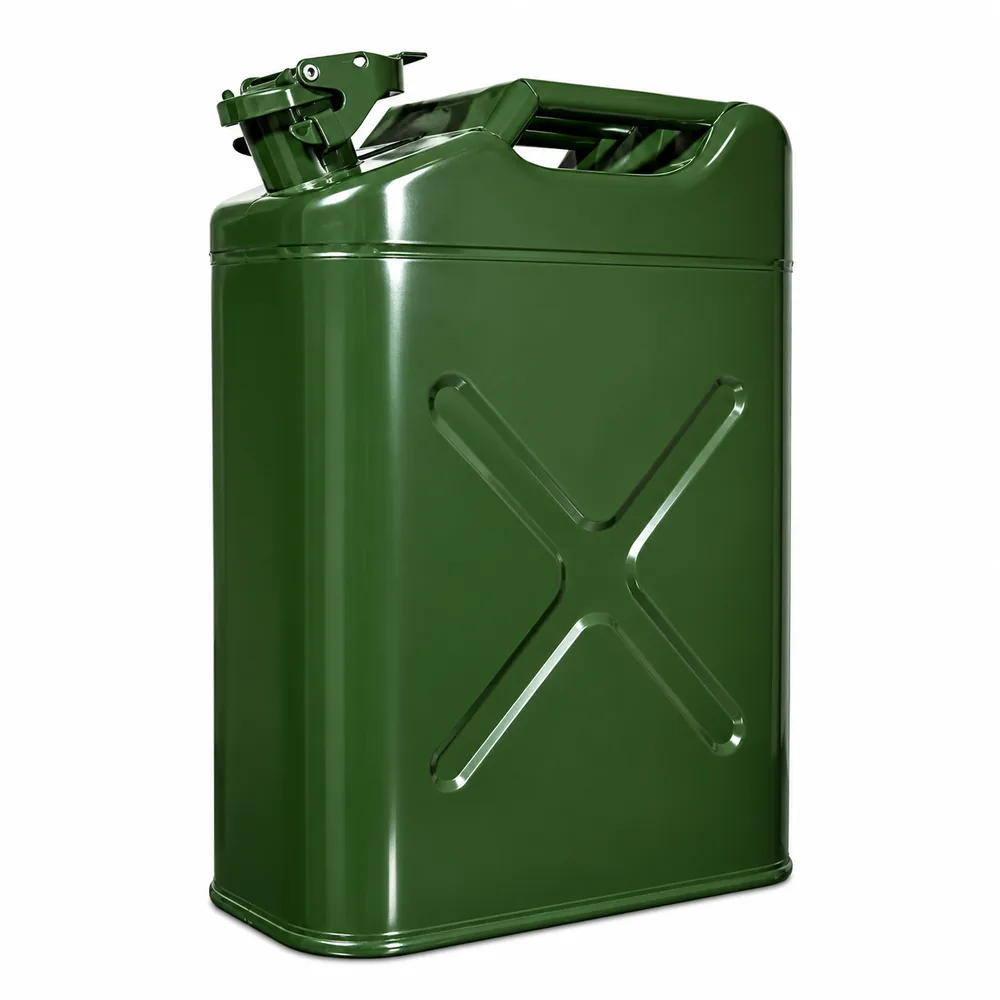 20L NATO Steel Fuel Can 20L NATO Steel Fuel Can |
Vented screw closure manages pressure with temperature. |
| Vented and non-vented caps | 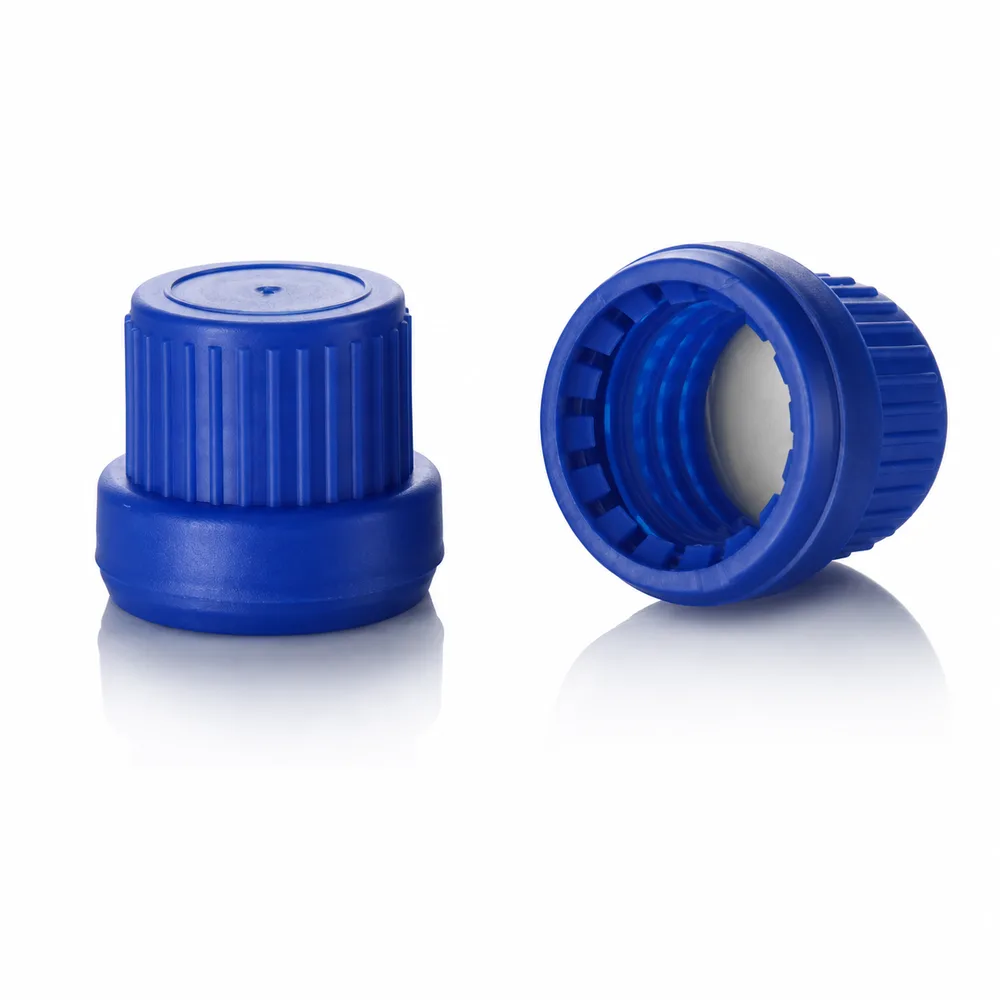 Caps, Closures & Gaskets Caps, Closures & Gaskets |
The right cap for transport or for a smooth pour. |
| A pouring or auto-shutoff spout | 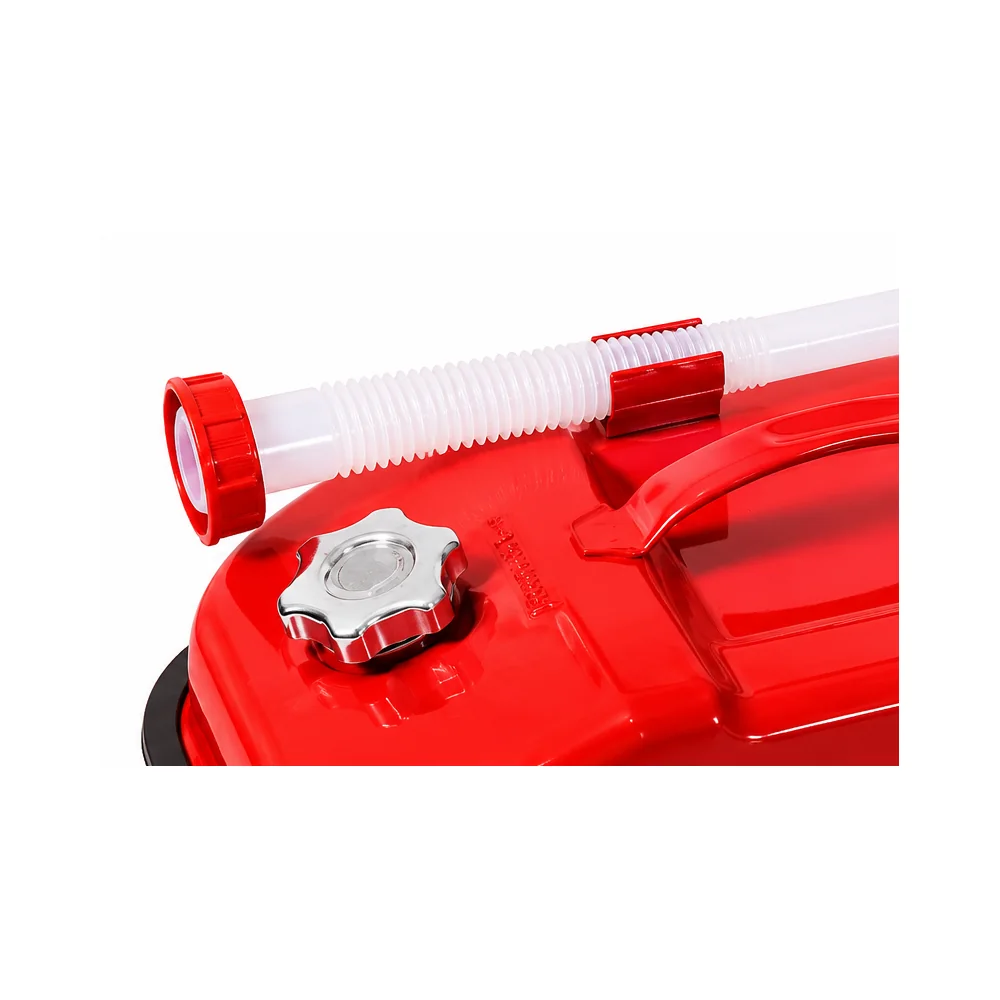 Pouring Spouts & Nozzles Pouring Spouts & Nozzles |
Directs the pour and manages vapour on a compliant can. |
| A plastic fuel can | 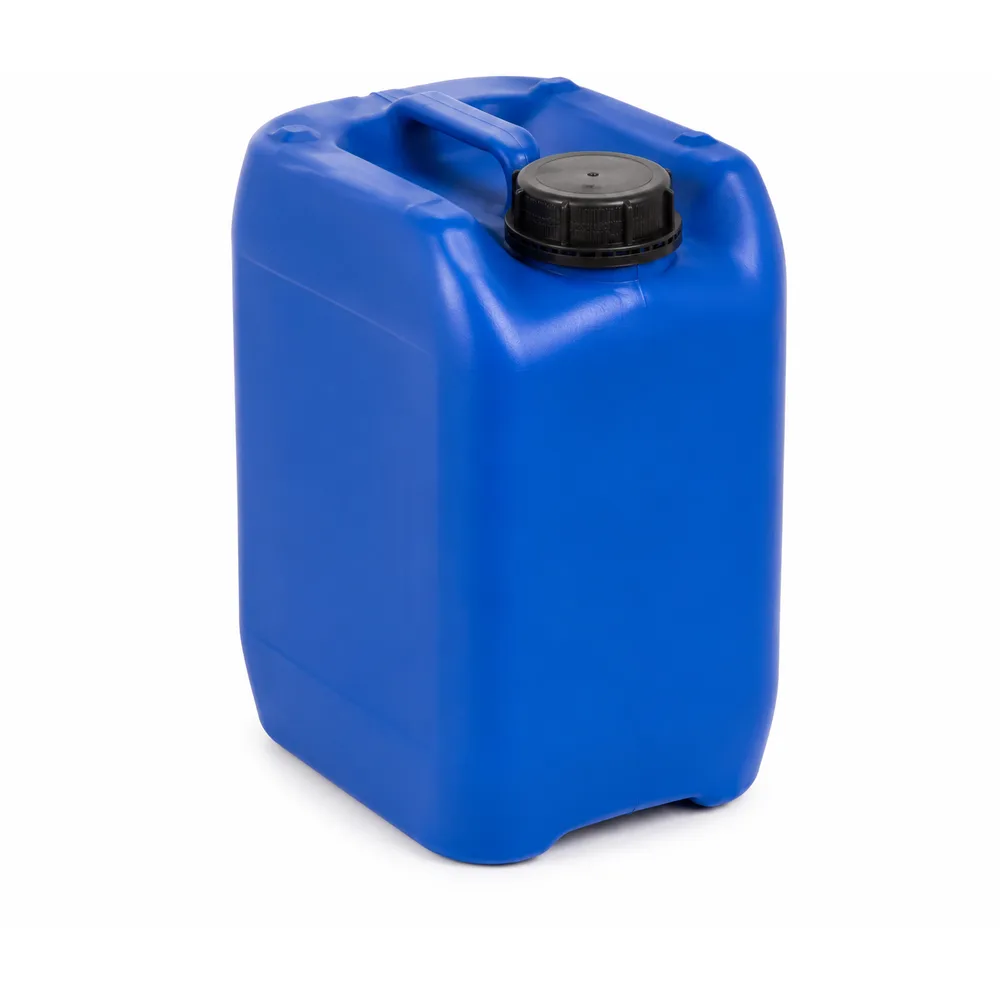 Fluorinated HDPE Jerrycan Fluorinated HDPE Jerrycan |
Fluorinated HDPE, with a closure to suit the fuel. |