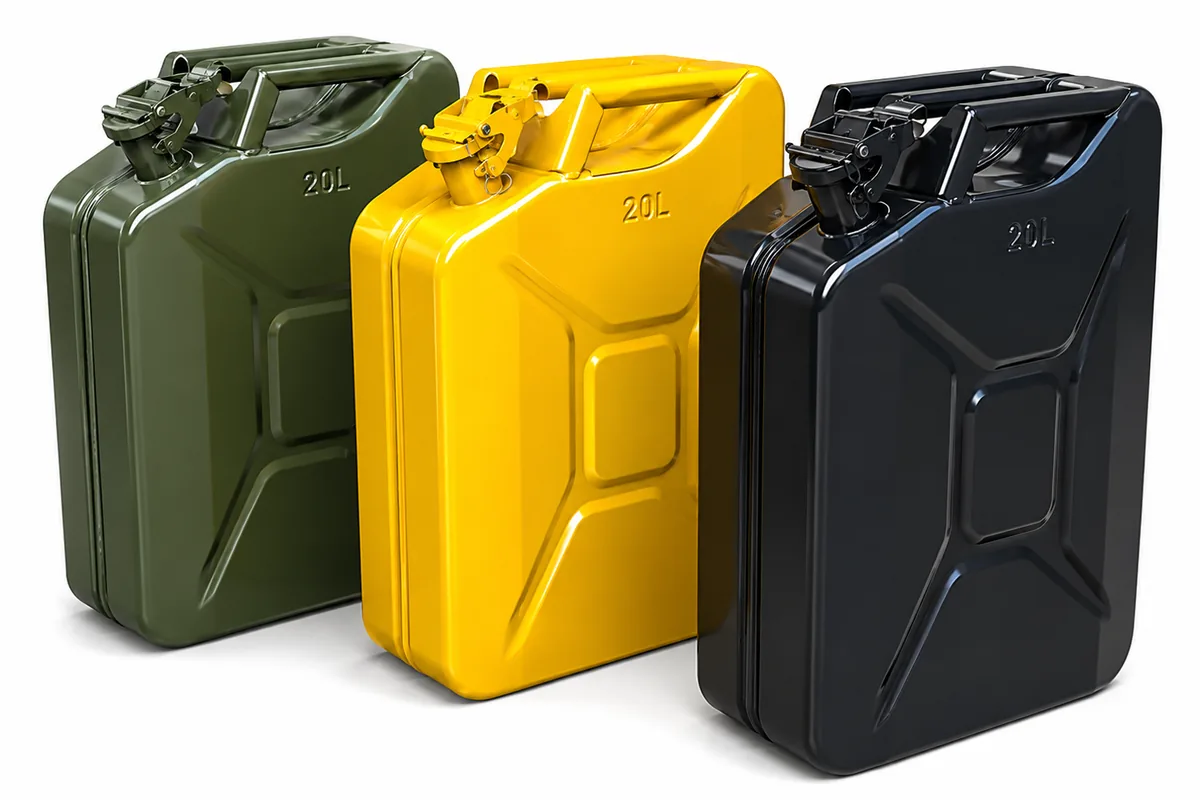
Overland travel is a logistics problem: enough water and fuel to reach the next resupply, carried in containers that take a beating and mount to the vehicle.
Plan the range
Fuel range is your tank plus what you carry, so extra fuel cans extend how far you go between stations. Water is a daily figure: plan a per-person, per-day volume for the days between resupply, as in emergency water storage. Use the sizing calculator to turn days and people into a container count. Then add a return-leg reserve on top. The stretch that strands people is the ground past the last fuel stop, where a headwind, soft sand or a wrong turn burns more than the map predicts. Carry enough to get back to that station, not only out to the turnaround.
Two liquids, two materials
Keep water and fuel in separate, clearly different cans, and never swap them. Water wants food-grade stainless or HDPE; fuel wants steel or a fuel-grade plastic. Colour-code and label so there is no confusion in the dark. Hold that discipline for the whole trip. A can that once held diesel never carries drinking water again, whatever you scrub it with, so the colour and the label have to stay honest.
Weight, payload and where it sits
Water and fuel are heavy, and payload is finite on a loaded vehicle. Aluminium saves weight where every kilogram counts; steel gives durability at lower cost. Read aluminium vs steel. Placement matters as much as total mass. A full can on the roof raises the centre of gravity and makes the vehicle roll into corners and lean on side slopes. A can hung off the rear bumper sits behind the axle, so its weight swings on rough ground and lightens the steering. Carry the heavy liquids low and between the axles, and treat the roof and the rear overhang as last resort.
Mount it so it can't move
The NATO pattern helps here: cans seat in the racks, carriers and holders already fitted to overland vehicles, so a NATO-pattern can mounts without new hardware. Read the NATO pattern guide. Fit is only half of it. A full can that works loose becomes a projectile in a rollover or a hard stop, so clamp it in a holder and add a strap or tie-down that survives corrugations without chafing through. Check the mounts after the first rough day, because vibration finds every loose bolt. See jerry can holders.
Low-profile cans for tight spots
An upright can does not fit every gap. Along the chassis, under a rack or beside a drawer system, a horizontal or low-profile can uses space an upright wastes and keeps the weight low while it does. Read horizontal and under-seat cans for the shapes that slide into those spots.
Carry a spare cap and spout
The cap and the pour spout are the parts you lose or split first, and a can you cannot seal or pour is dead weight on the rack. Pack a spare of each before you leave. A good spout also keeps fuel off the paint and off your hands at a windy roadside fill. Browse holders and accessories.
The common mistake
Two errors do most of the damage. The first is mounting fuel high and heavy, which trades handling for convenience and shows up on the first steep descent. The second is planning fuel and water only as far as the turnaround, then finding the last station shut on the way home. Load low, and plan the leg past the last resupply.
What Fortitude21 fits
Our NATO-pattern steel, stainless and aluminium cans mount in standard carriers and suit expedition use. See the fuel and water ranges.
Match the can to the job
Mount it low, keep the liquids apart. Here is the expedition kit from our line.
| Your use case | Recommended can | Why this one |
|---|---|---|
| Fuel, where every kilogram counts |  20L Aluminium NATO Can 20L Aluminium NATO Can |
The lightest body, for a weight-critical build. |
| Fuel, durability over weight | 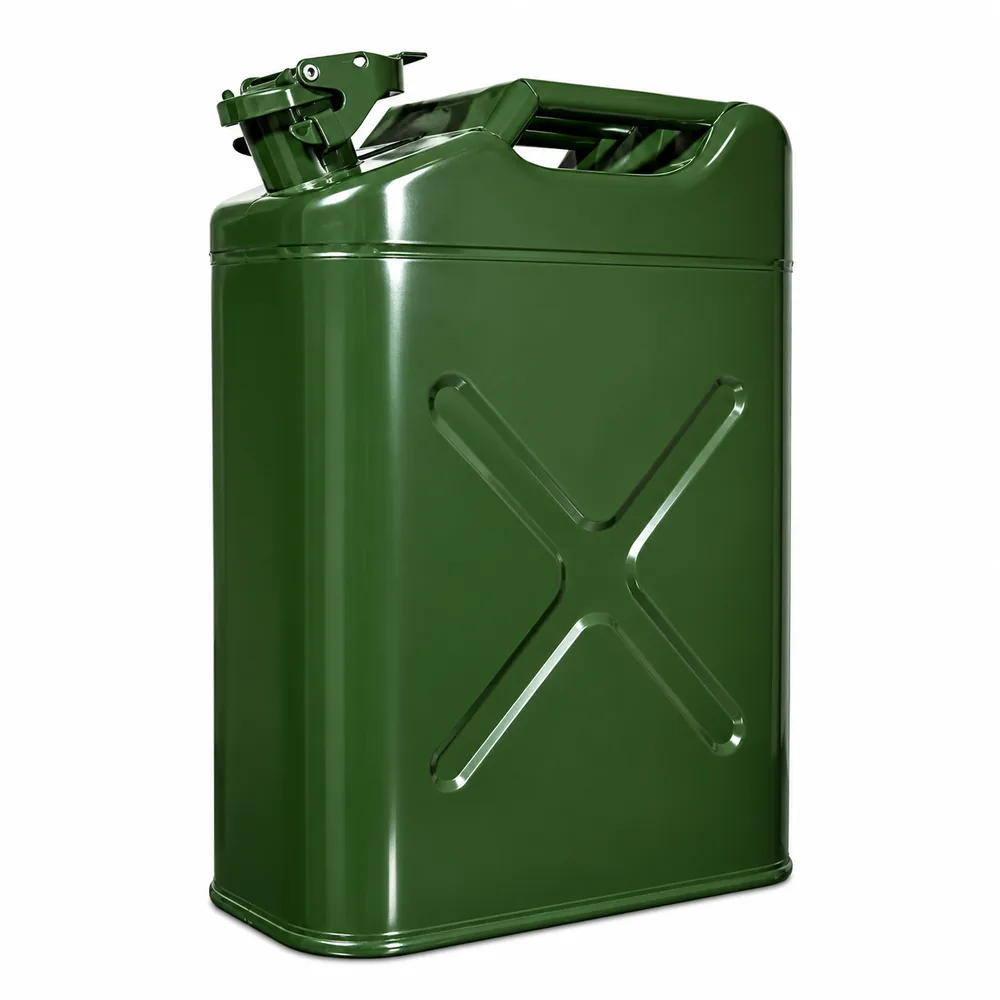 20L NATO Steel Fuel Can 20L NATO Steel Fuel Can |
Tough NATO steel, seats in standard carriers. |
| Drinking water on the trail | 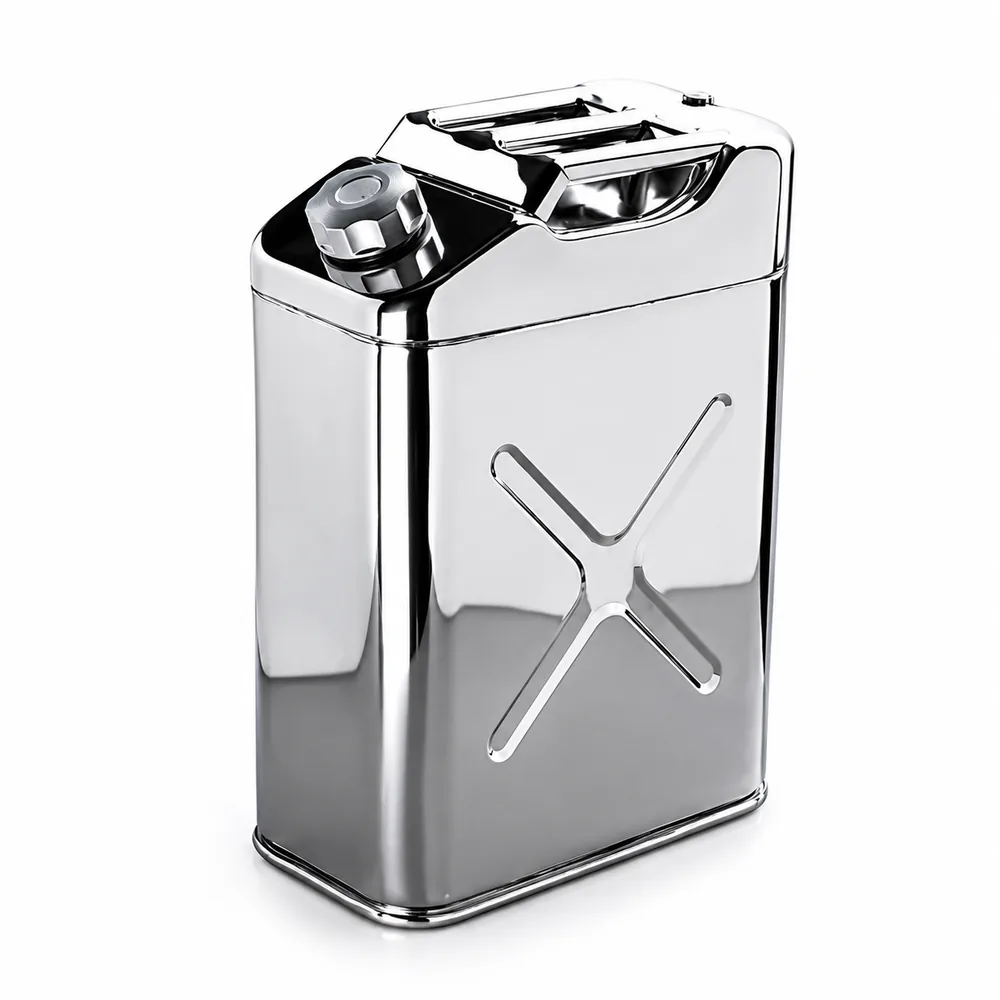 20L Stainless Steel Water Can 20L Stainless Steel Water Can |
Food-grade stainless, cleans and reuses for years. |
| Fuel in a tight chassis spot | 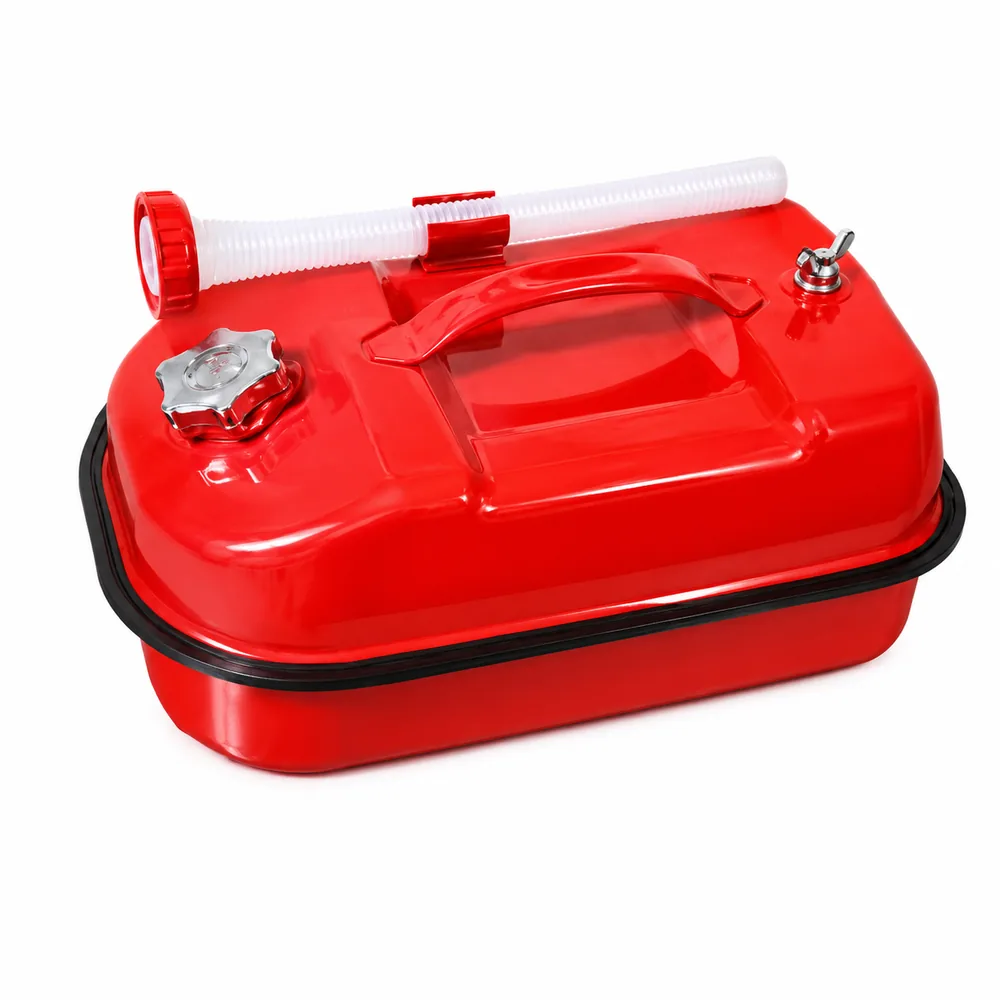 Horizontal Galvanised Can — 5L / 10L / 20L Horizontal Galvanised Can — 5L / 10L / 20L |
Low-profile, carries the weight down low. |
| Mounting and retention | 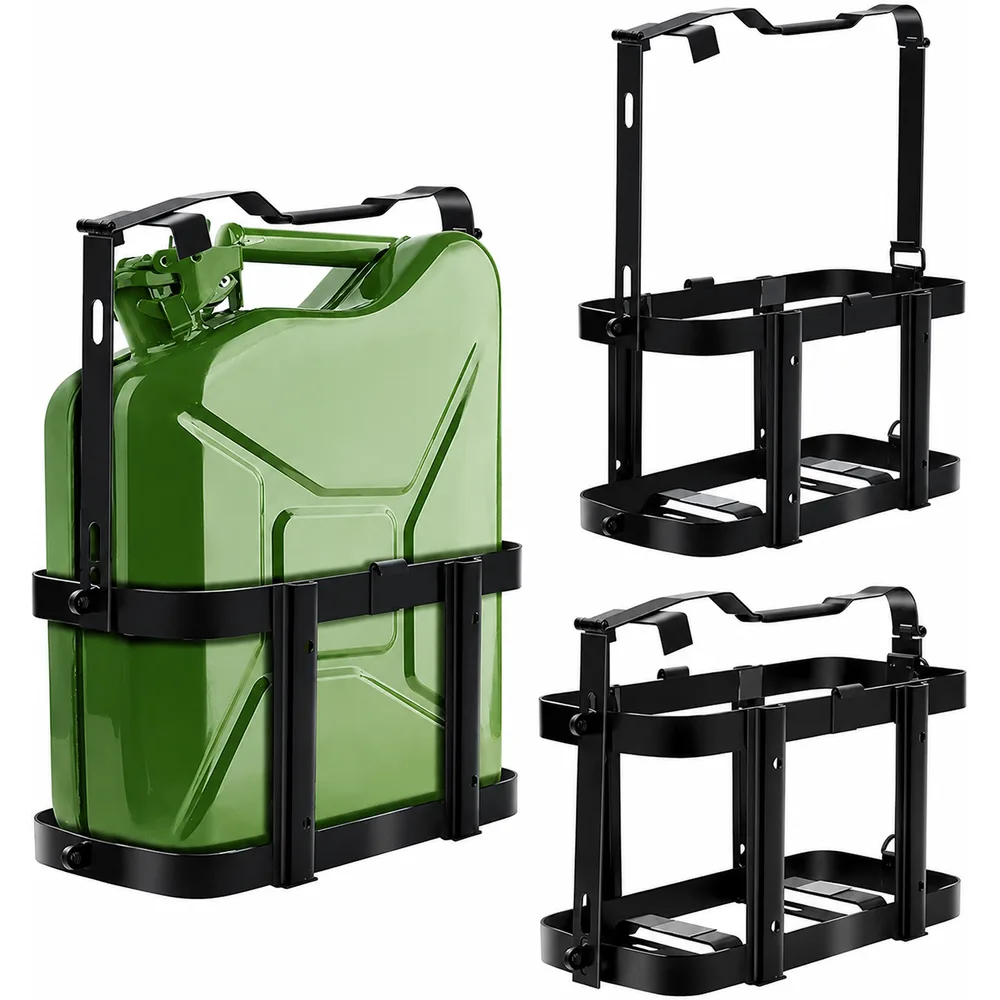 Jerry Can Holders & Mounts Jerry Can Holders & Mounts |
Holds the can so it cannot work loose on corrugations. |