Bare steel rusts, and a rusted fuel can contaminates its contents and eventually leaks. What keeps a steel container in service for years is the coating, inside and out.
Why steel needs protection
Steel corrodes when moisture and oxygen reach the metal. For a container that lives outdoors, on a tailgate or in a wash-down bay, unprotected steel has a short life. Protection is not optional; it is what makes steel viable. When you specify a steel can, you are really specifying its coating, so treat that as the decision.
Galvanizing
Galvanizing coats the steel in zinc, which resists corrosion and, where the coating is scratched, sacrifices itself to protect the steel beneath. It is a durable, low-maintenance finish suited to fuel and outdoor use. The zinc is also why a galvanized can is for fuel and not for food or water, because zinc is not food-safe.
Why a scratch does not rust
Zinc corrodes in preference to steel. Scratch a galvanized surface and the zinc around the mark gives up its own metal to keep the exposed steel clear of rust. Engineers call this cathodic, or sacrificial, protection, and it is the reason a galvanized can shrugs off the scuffs of daily handling. Paint behaves the other way. Chip a painted panel and you expose bare steel that starts rusting at once, with the rust then creeping under the film. That gap in behaviour matters most on a can that gets dragged, stacked and knocked.
Paint and powder coating
A painted or powder-coated body adds corrosion resistance and colour. Powder coating to a RAL colour is the durable option, and it is how a private-label steel can carries a house colour. The coating protects and brands in one step. Powder bonds as a thicker, harder film than wet paint, so it resists the chipping that starts corrosion, which is why it is the sensible choice when a can carries your name.
Interior coatings
The inside matters as much as the outside, and the two are separate jobs. Galvanizing or powder protects the outside; the inside needs its own lining, and a fuel can needs both. A hydrocarbon-service internal coating protects a fuel can's interior and is specified for the contents, not applied generically. One finish does not stand in for the other. The wrong interior is the most common failure in a cheap can, because the shell can look sound while the fuel attacks the wall you cannot see.
Maintenance
Coatings are thinnest on edges, welds and the neck, because the film pulls back from a sharp corner and a weld bead, so those spots rust first; check them before the flat panels. Keep coated steel dry in storage, and inspect for chips and corrosion between uses. Rinse off salt and mud after a trip, and let the can dry before you put it away. A small coating repair extends a can's life; ignored, a chip becomes a rust spot and then a leak. Touch up a chip while it is still a chip.
The common mistake
Two errors ruin a good can. The first is filling a galvanized or coated steel can with drinking water or food, when the zinc and the coating were never food-safe; a water can needs a food-contact specification, covered in food-contact and water certification. The second is ignoring the interior spec and ending up with rust in the fuel. Match the coating to the contents and neither happens.
The alternatives
Where corrosion protection is a burden, stainless steel and HDPE avoid it entirely. Read steel vs HDPE and stainless 304 vs 316.
What Fortitude21 fits
Fortitude21 galvanizes steel cans for fuel, powder-coats them to a RAL colour for private-label runs, and specifies the interior lining to what the can will hold. Tell us the contents and where the can will live, and we match the coating inside and out to that job.
Match the can to the job
Coating follows the contents and the exposure. Here is what we would build.
| Your use case | Recommended can | Why this one |
|---|---|---|
| Galvanised for outdoor fuel duty | 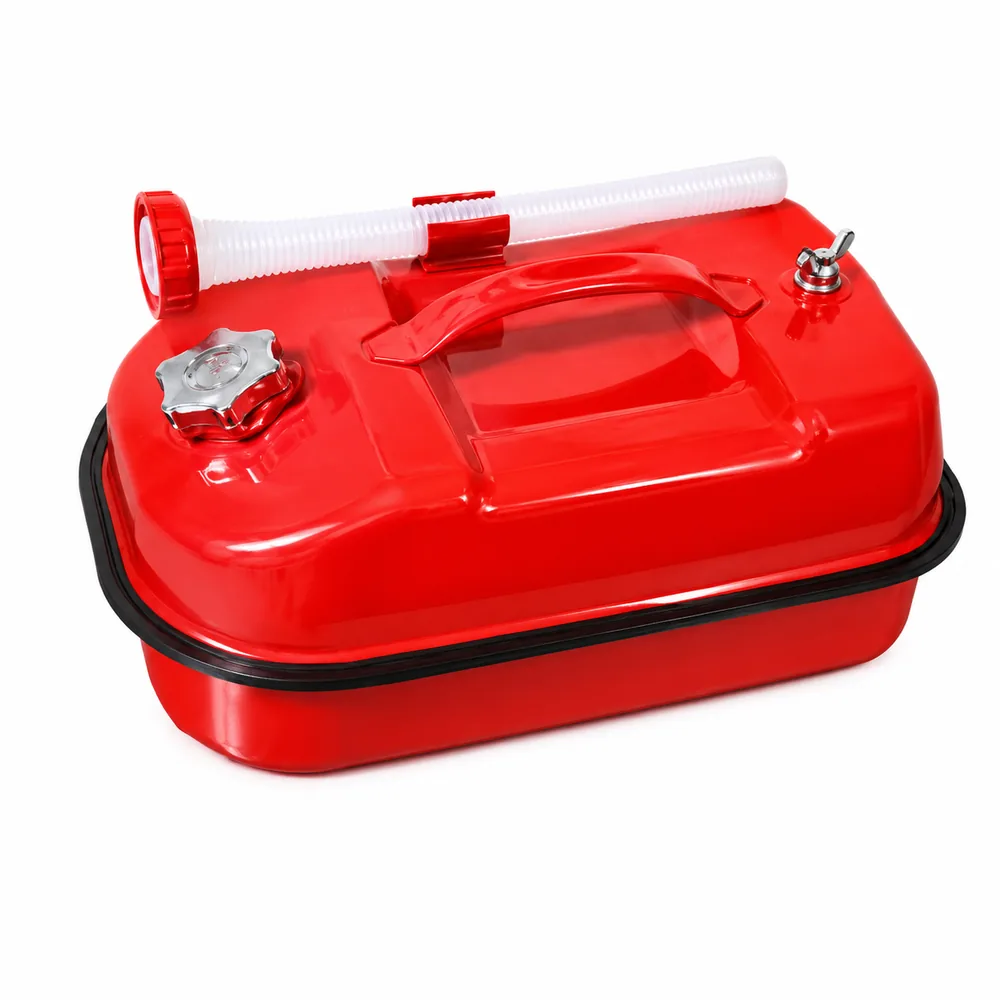 Horizontal Galvanised Can — 5L / 10L / 20L Horizontal Galvanised Can — 5L / 10L / 20L |
Sacrificial zinc resists rust and scuffs. |
| Coated steel fuel can | 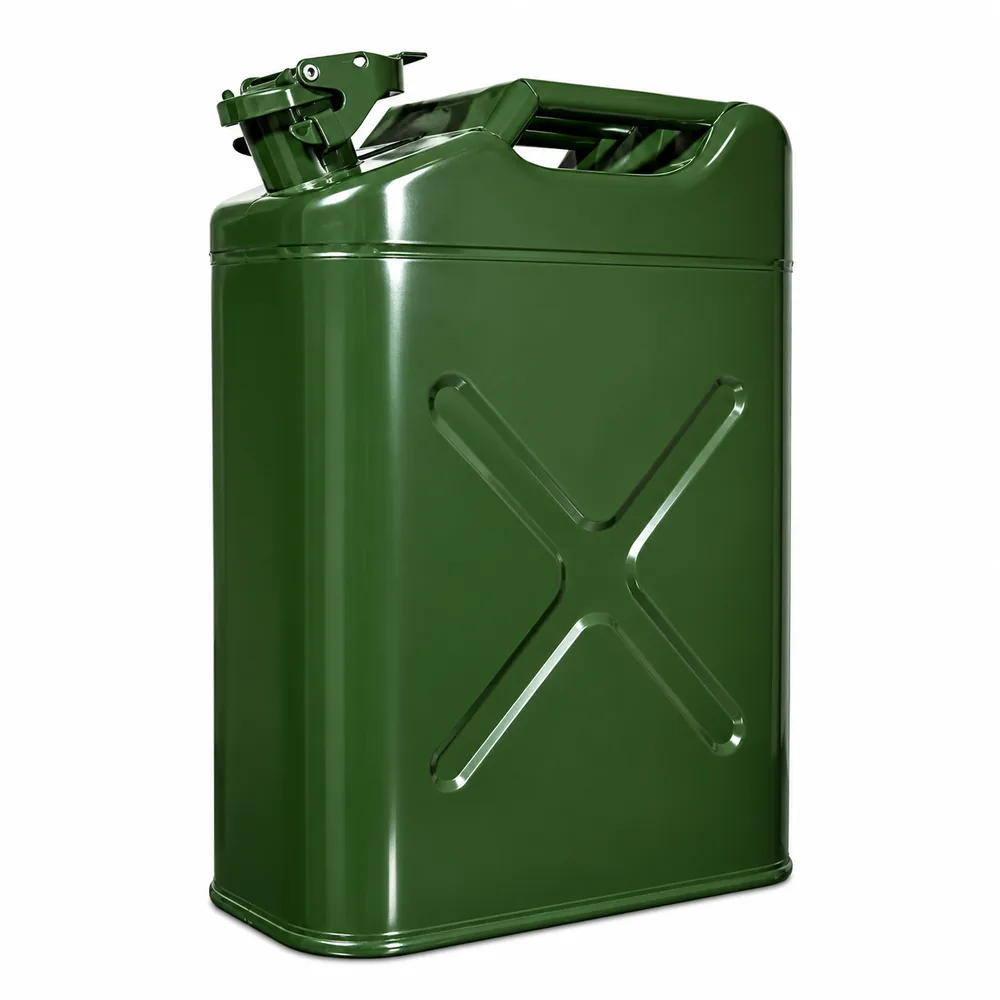 20L NATO Steel Fuel Can 20L NATO Steel Fuel Can |
Galvanised outside, hydrocarbon-lined inside. |
| No coating to maintain | 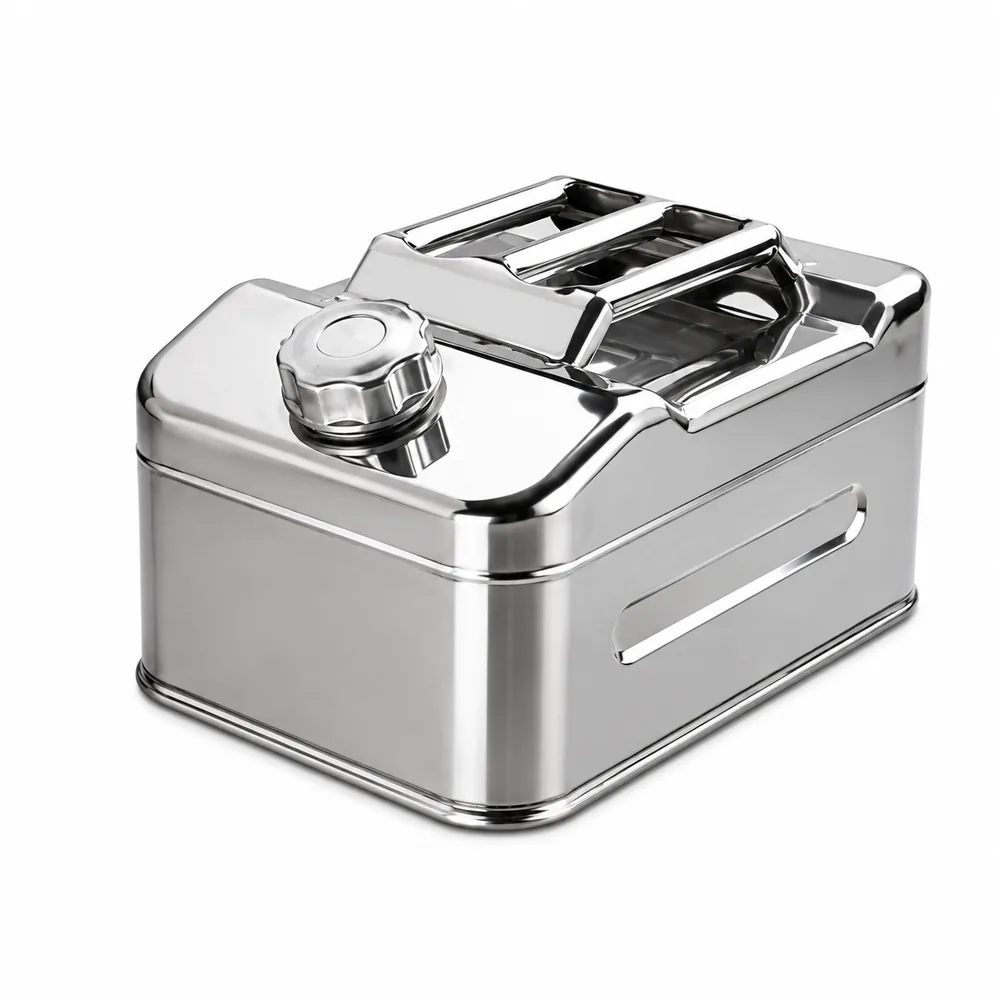 Stainless NATO Can — 10L / 20L Stainless NATO Can — 10L / 20L |
Stainless avoids the corrosion problem entirely. |
| Water, where zinc is unsafe | 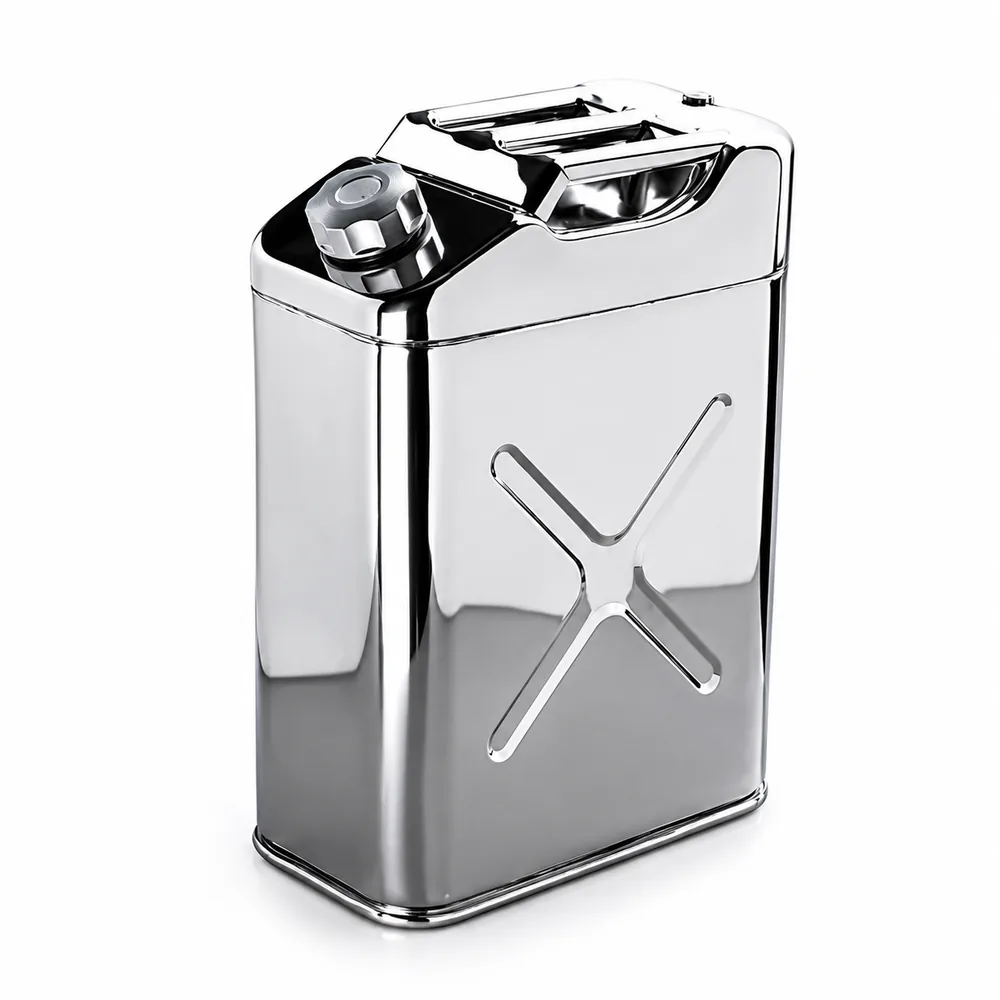 20L Stainless Steel Water Can 20L Stainless Steel Water Can |
AISI 304 stainless, food-grade across the wetted path. |