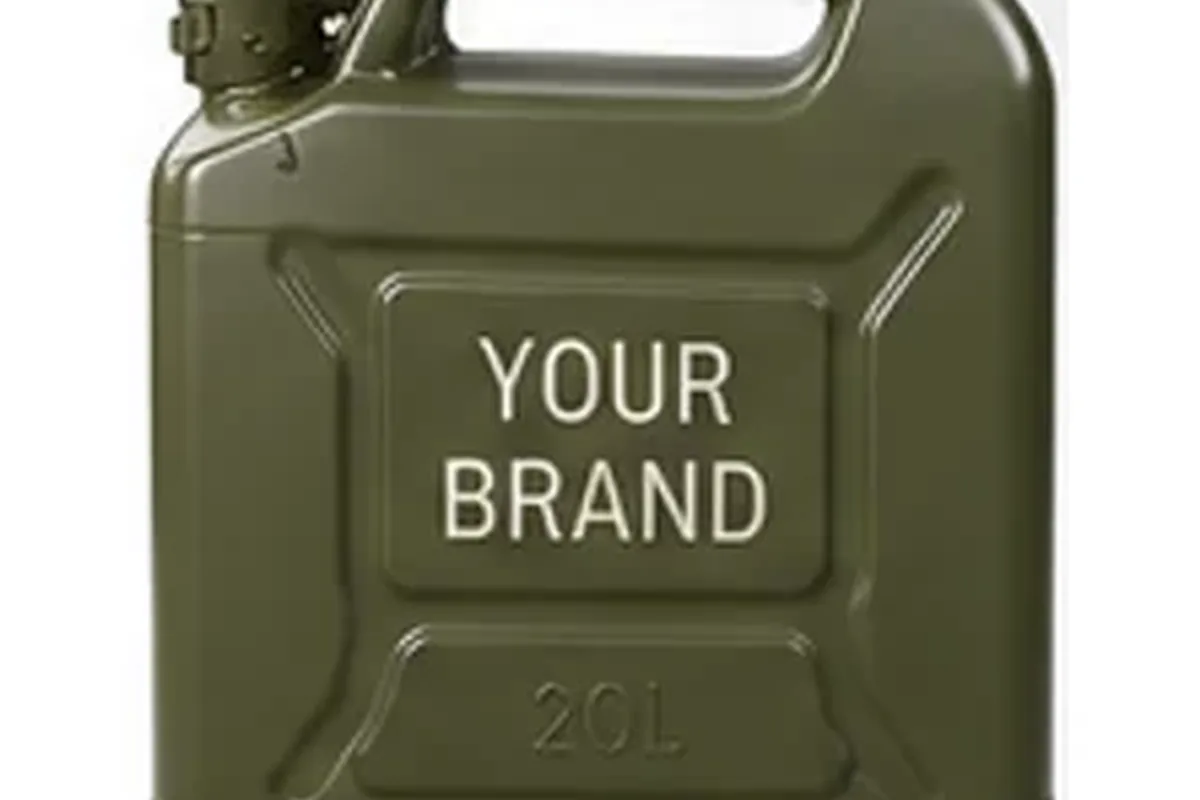
A private-label programme puts your brand on a proven container without you owning a factory.
Why brand a proven can
The container already works. You add the name, the colour and the mark, and skip the years it takes to prove a body in the field. This is the fastest route to a branded jerry can, and it carries the least risk, because the shape and the closure are already tested.
Marking
We mark a can in line rather than with a sticker that peels. Metal bodies are laser etched or embossed; plastic bodies carry moulded-in or printed marking. The mark is part of the product, not applied after. A laser-etched or embossed mark survives fuel, sun and abrasion, where a label lifts at the edge and walks off. On a plastic can the mark is moulded into the wall, so it lasts as long as the can does. A buyer who reorders sees the same mark in the same place every time.
Colour
A metal can is powder coated to a specified RAL colour; a plastic can is moulded in a colour from masterbatch. Match a house colour across a range so a shelf reads as one brand. RAL numbers and masterbatch codes hold the colour steady from one run to the next, so a reorder lands next to last year's stock and matches it. The powder coat does more than carry colour: it also protects the steel. See corrosion protection and galvanizing for how the coating and the base treatment work together.
Tooling and custom form
Standard patterns need no new tooling and reach you fastest. A custom shape or closure is a tooling conversation: steel tooling for a pressed metal can, a mould for a blow-moulded plastic one. We scope the tooling cost and lead time against your volume. Exhaust the cheap moves first. A standard pattern in your house colour with an etched mark reads as your product and ships at the lowest minimum. Pay for a tool once the shape itself, and not the branding, is what you need to own.
Minimums and dual sourcing
Custom colour and marking set a minimum order quantity, which we quote against your specification. Production runs across parallel bases in Vietnam and China under one Singapore contract desk, which gives two routes to capacity under one drawing. When a sourcing policy rules out a single country, the second base answers it without a redraw. Government and institutional buyers who carry country-of-origin rules find this useful; see defence and government procurement.
Documentation and IP
Your programme keeps its artwork, colourways and tooling. We supply the specification sheet, the compliance documents your market needs, and inspection records per shipment, and we do not resell your programme to a competitor. The drawing is yours. The tool we cut for you stays yours, and the colour and mark that make the can read as your brand do not turn up on someone else's shelf.
A common mistake
Two errors cost programmes money. The first is adding branding as a second run, after a plain batch has already shipped, which pays for handling twice. Build the brand into the first run. The second is commissioning custom tooling when a standard can in a house colour with an etched mark would have done the same job for far less. Ask what the shape has to do that a standard body cannot, and only then cut a tool.
Start a programme
Tell us the product, the market and the volume, and we return a specification sheet and a quotation. See our capabilities.
Match the can to the job
Any of these carries your brand. Here is the range you can label.
| Your use case | Recommended can | Why this one |
|---|---|---|
| Your own-brand fuel line | 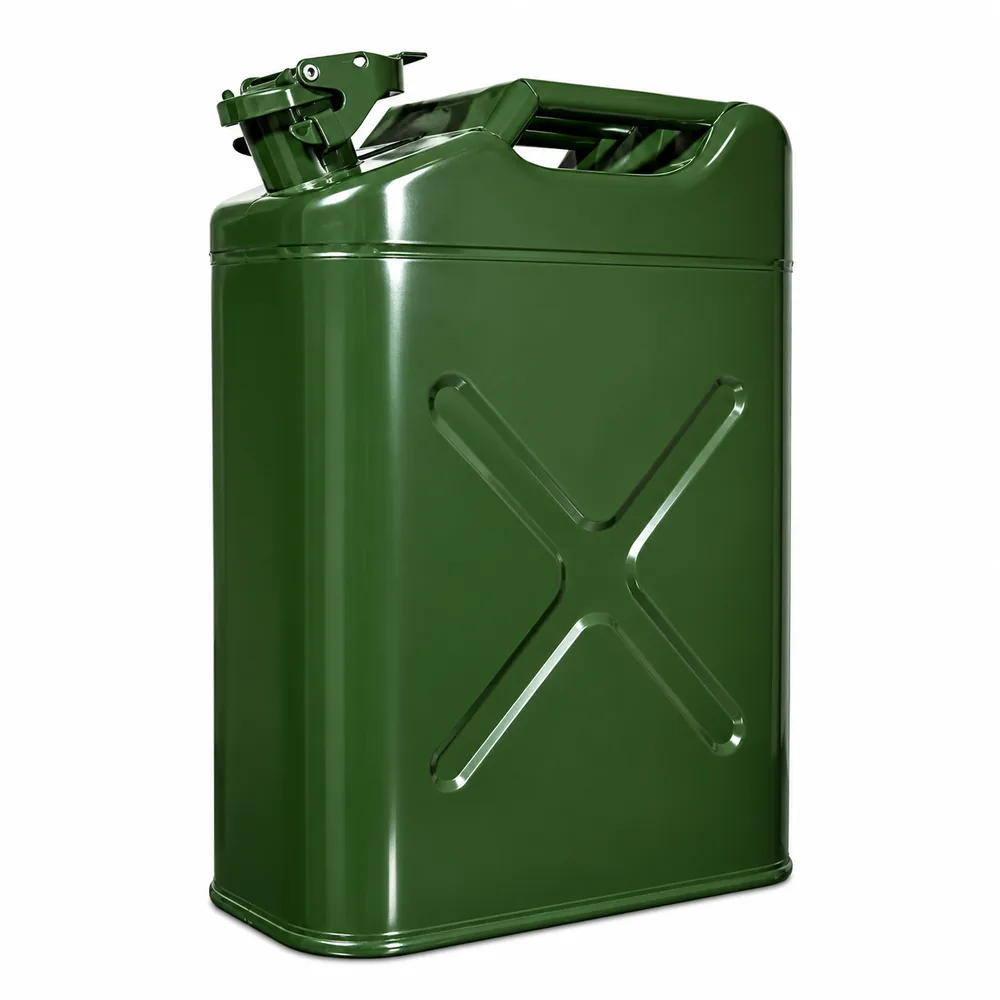 20L NATO Steel Fuel Can 20L NATO Steel Fuel Can |
Powder-coated to your RAL, mark etched in. |
| Your own-brand water line | 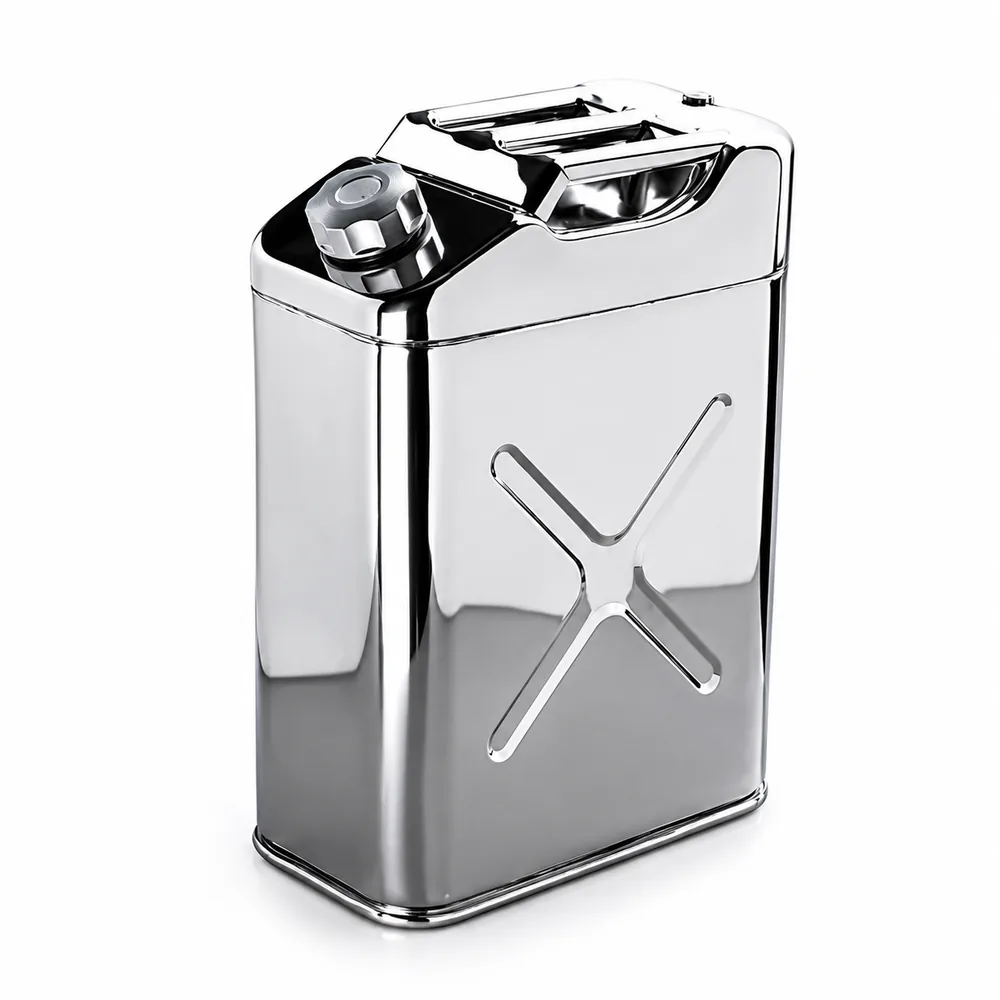 20L Stainless Steel Water Can 20L Stainless Steel Water Can |
AISI 304 stainless, laser-etched brand. |
| Your own-brand HDPE line | 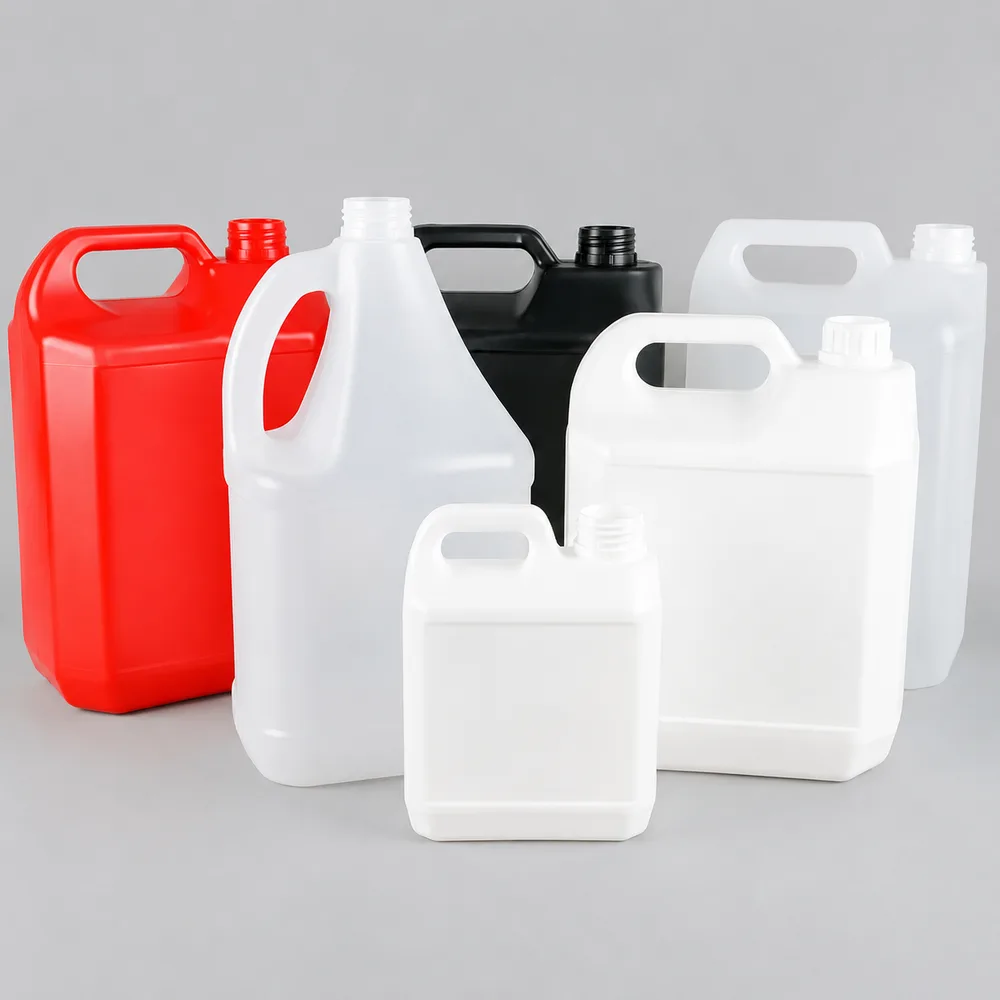 Economy HDPE Jerrycan — non-UN Economy HDPE Jerrycan — non-UN |
Moulded in your masterbatch colour. |
| Branded closures and spouts | 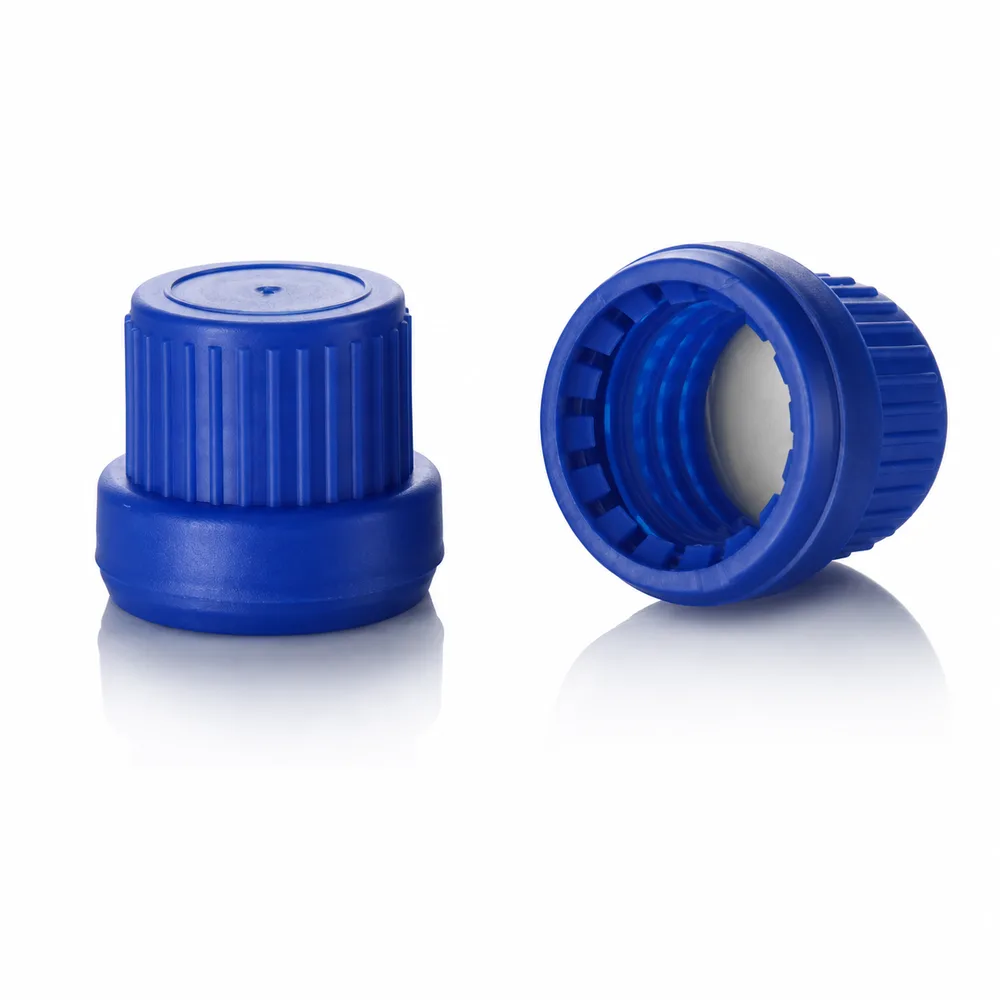 Caps, Closures & Gaskets Caps, Closures & Gaskets |
Complete the private-label set. |