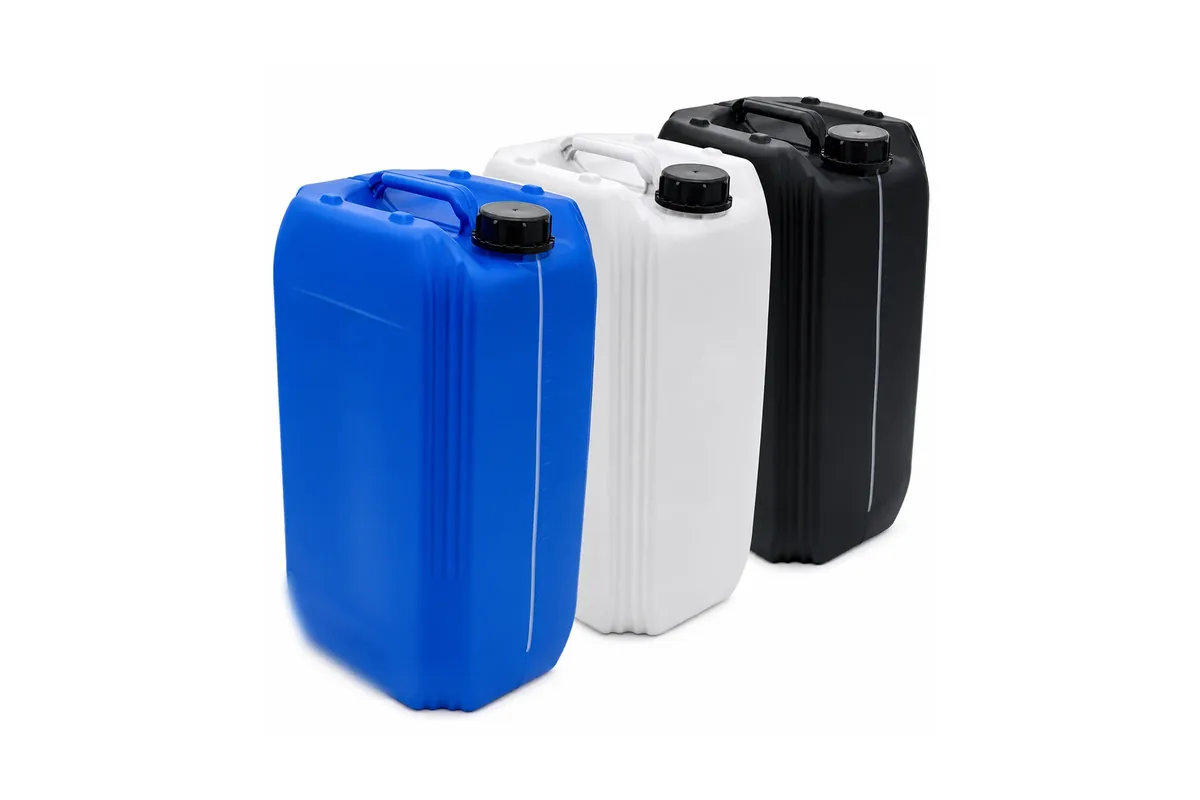
The same liquid ships in a 20-litre can, a 200-litre drum or a 1000-litre IBC depending on how much moves at once and how it is handled.
The three formats
- Jerry can, 3 to 30 litres. Hand-carried and hand-poured. For point-of-use volumes: refuelling a machine, carrying water, decanting a chemical at the bench.
- Drum, around 200 litres. Moved by trolley or forklift, dispensed by pump or tap. For a workshop or store that draws off repeatedly.
- IBC, around 1000 litres. Forklift or pallet-truck handled, valve-dispensed, stackable. For bulk storage and transfer.
Choose by how the liquid is used
If a person carries the liquid to the point of use, it is a jerry can. If it stays put and is drawn from, a drum or IBC with a tap or pump fits. Many operations use all three: an IBC in the store, drums at the workshop, and cans to carry to the machine.
Open or closed within each format
Each format comes in two builds. A closed-head container has fixed bungs and pours through a spout or fitting, which suits fuels and thin liquids that flow clean. An open-head or wide-mouth container takes a removable lid, which suits thick products, pastes and anything you scoop or need to clean out between fills. Pick the head before the size. A wide-mouth jerry can carries water and viscous stock; a closed can holds fuel and solvent without splash. The same split runs through drums and IBCs.
Handling sets the real cost
Format follows how often you draw off and how much labour each pour costs at volume. Step up a size when a small format has you refilling all day: a wall of cans that a worker tops up hourly should have been a drum on a tap, and a drum you empty every shift should have been an IBC. Step down when the handling runs the other way. An IBC you hand-jug into cans all day should have been more cans, or the cans should have been a drum with a tap that fills them fast. A jerry can needs a hand. A drum needs a trolley or forklift. An IBC needs a forklift or pallet truck. Match the equipment you own to the format, or the format will cost you moves you did not plan for.
Decanting between them
The formats connect. A drum or IBC dispenses into jerry cans through the right adapter and tap, which is how bulk stock reaches a hand-carried can. Keep the transfer clean with a dedicated adapter and tap on each product, never a shared spout that carries residue from one liquid to the next. We supply drum and IBC adapters and taps and dispensing valves for exactly this. How the stock sits before it moves matters too, covered in warehouse storage and export packing.
Rules apply at every size
Dangerous-goods and UN packaging rules follow the liquid, not the container size. A drum and an IBC carrying a regulated product need the right approval and marking the same way a jerry can does. Class the liquid first, then confirm every format in the chain is rated to hold it.
Then choose the material
Format first, material second. Once the size is set, the liquid picks the material, as in choosing a jerry can. Fortitude21 builds the jerry can end of this range across steel, stainless, aluminium and HDPE.
Match the can to the job
At the hand-carried end of the range, here is what we build.
| Your use case | Recommended can | Why this one |
|---|---|---|
| Hand-carrying fuel to the machine | 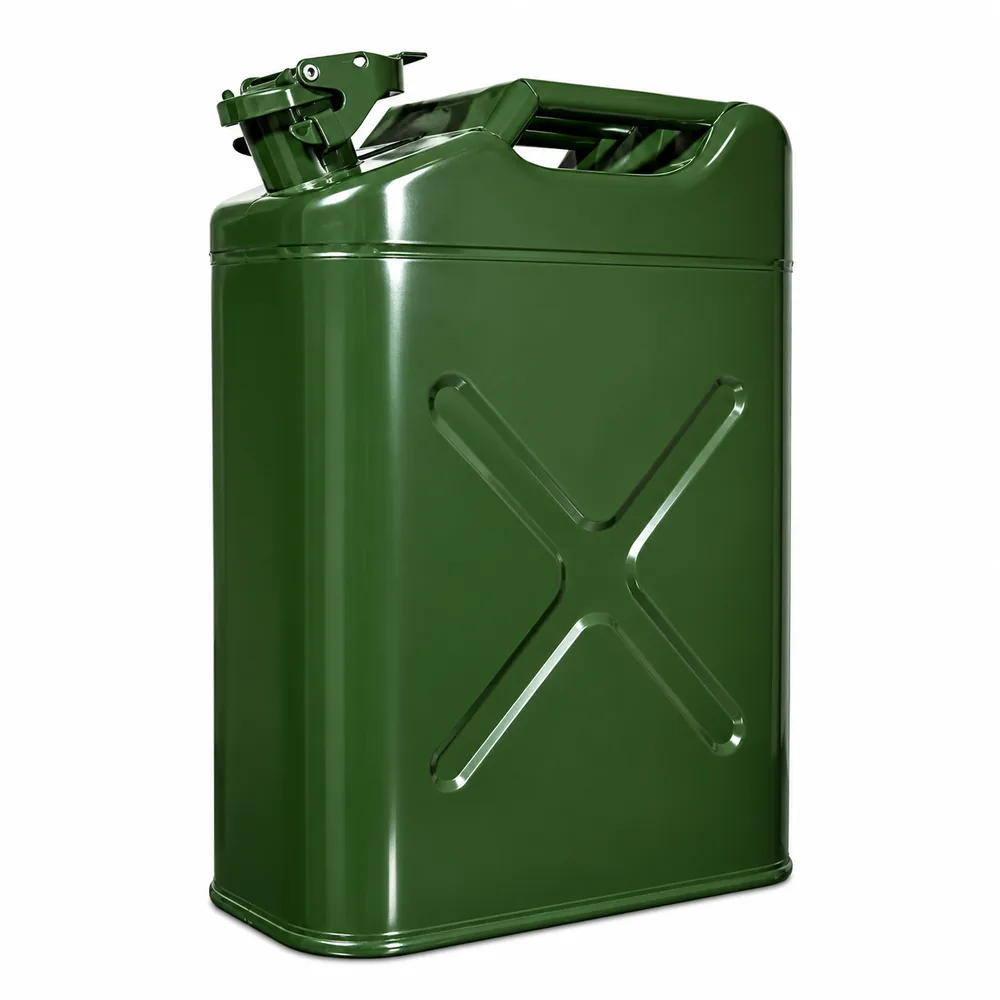 20L NATO Steel Fuel Can 20L NATO Steel Fuel Can |
The point-of-use fuel can, UN-marked. |
| Industrial chemicals at pallet volume | 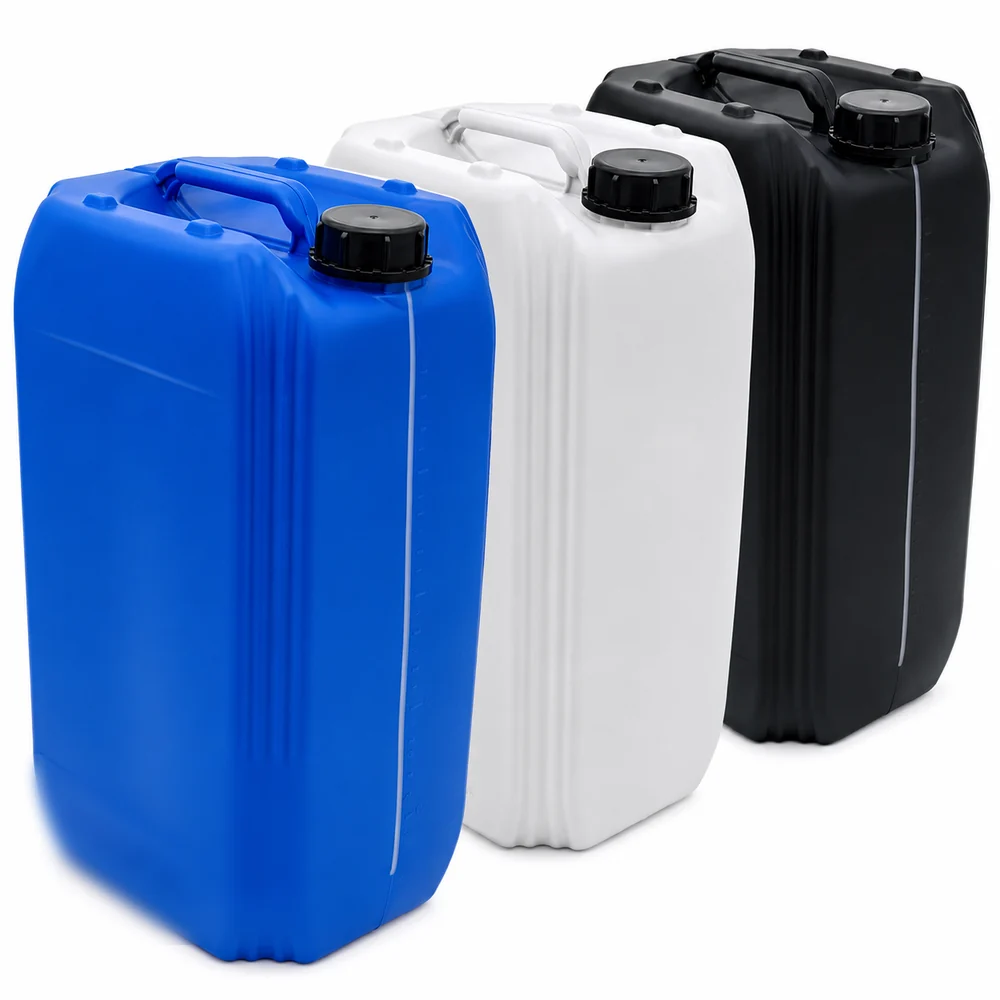 25L Stackable Plastic Jerrycan 25L Stackable Plastic Jerrycan |
Stackable UN-rated HDPE for decanting. |
| Filling cans from a drum or IBC | 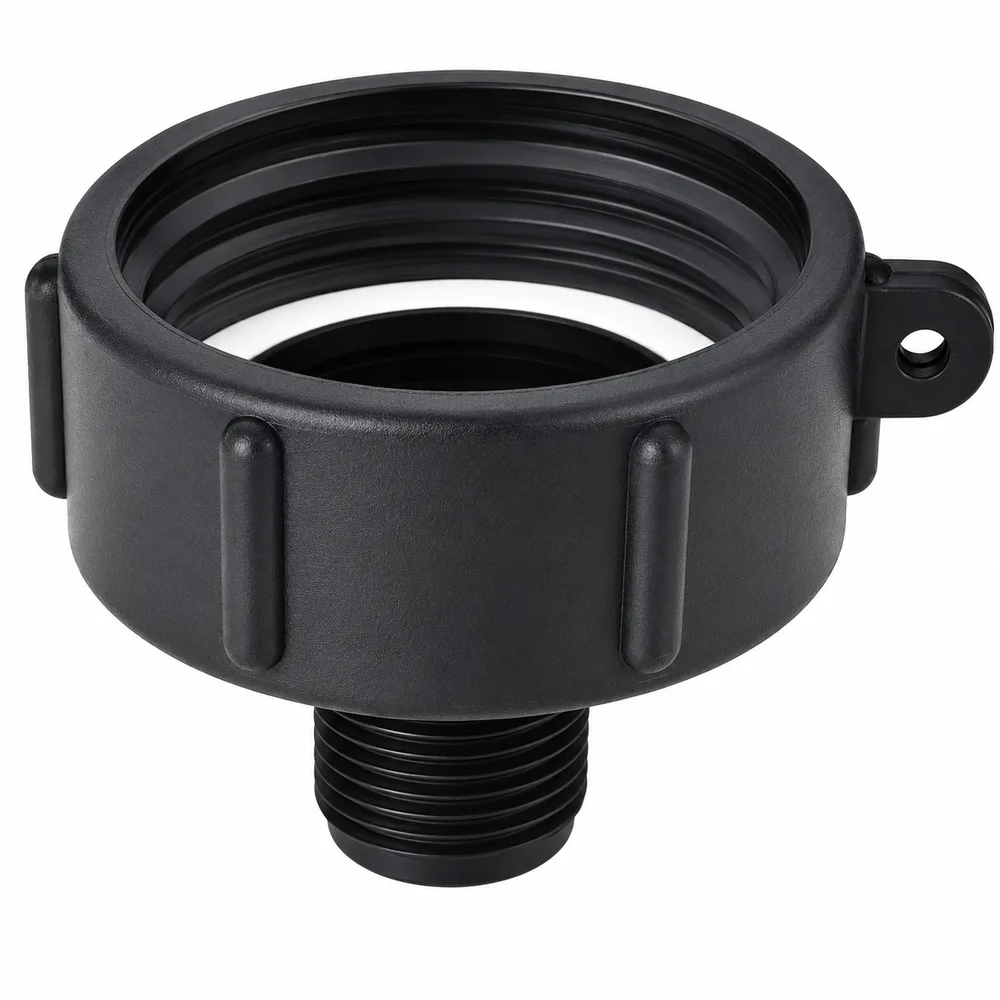 Drum & IBC Adapters Drum & IBC Adapters |
The adapter that connects bulk to can. |
| Drawing off from bulk | 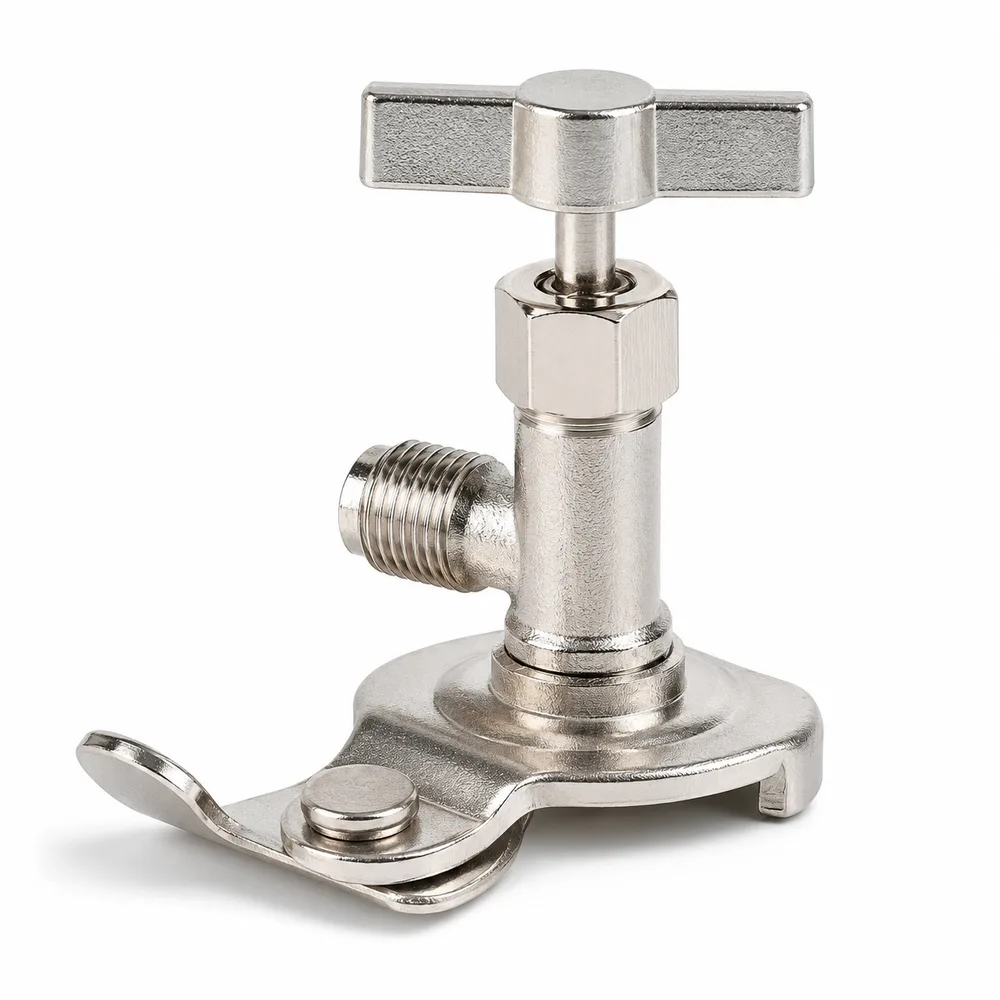 Taps & Dispensing Valves Taps & Dispensing Valves |
A dedicated tap, one per product. |