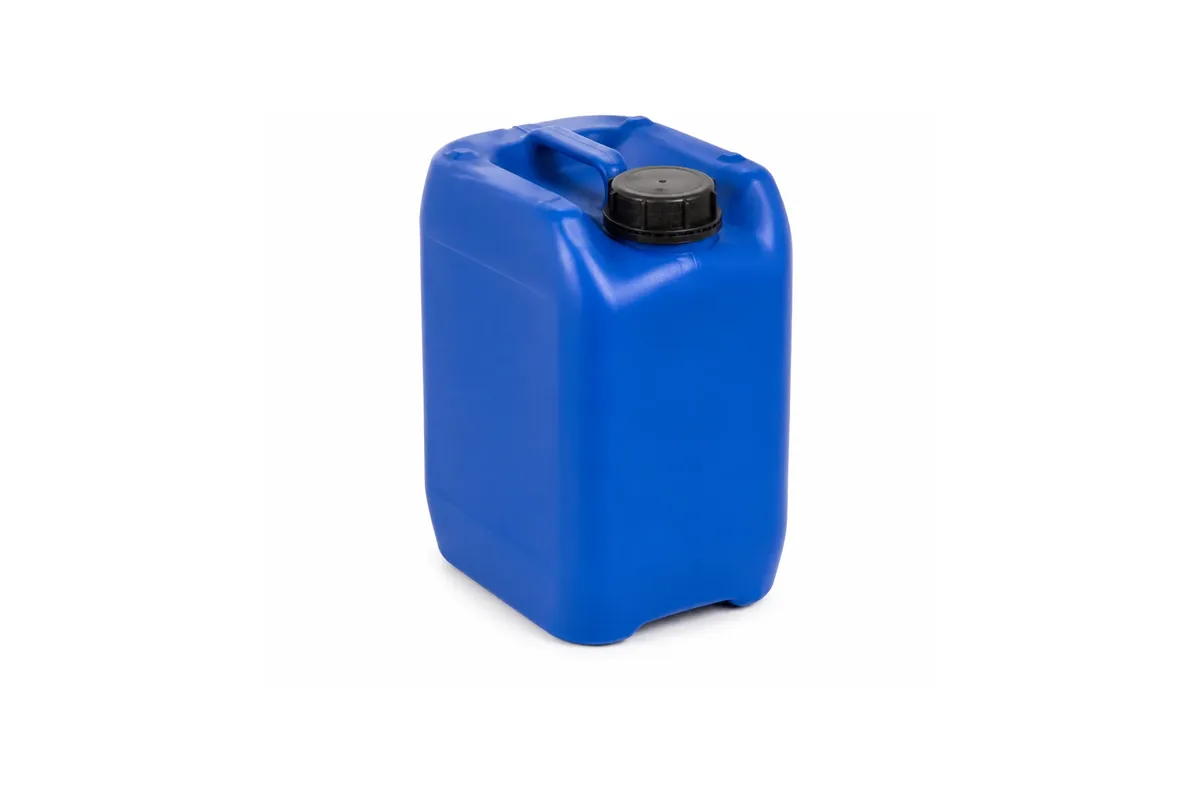
Not all HDPE is the same can. The grade, the wall and a surface treatment called fluorination decide whether a plastic container holds fuel, an aggressive chemical, or food.
HDPE and blow moulding
High-density polyethylene is blow moulded into a seamless container with controlled wall thickness. The body forms as one piece, so there is no seam to split under pressure or a drop. It resists many chemicals, does not corrode, and is light and low-cost. Wall thickness carries the structural load. It earns the UN rating and lets a full can stack without crushing. A UN-rated HDPE jerry can carries a 3H1 code for a narrow neck or 3H2 for a wide mouth, and the UN packaging code records what that can was tested to hold.
Narrow neck or wide mouth
The neck code decides how the can fills and empties. A 3H1 narrow neck pours a clean, controlled stream and seals tight, which suits thin liquids and careful decanting. A 3H2 wide mouth opens the whole top. Pick it for thick or viscous liquids that will not run through a narrow neck, and for anything you need to scoop, dose or clean out between fills.
Why untreated HDPE struggles with fuel
Hydrocarbon fuels permeate slowly through plain HDPE, which loses product and breaches fuel-emissions rules. Fuel molecules diffuse straight through the polymer wall over weeks and months, so a sealed can still gives up vapour and drops in volume. That loss is what fails EPA and CARB permeation limits. Some solvents also swell the wall. Plain HDPE suits water and many chemicals, but not fuel over time.
Fluorination
Fluorination treats the inner surface with fluorine gas, forming a barrier layer that sharply cuts permeation and improves resistance to fuels and aggressive solvents. It runs after moulding, either in-line as the can is formed or offline as a separate batch step. The barrier is thin and sits on the inner skin, so it works without adding wall or weight. A fluorinated HDPE can holds fuel and hard chemicals that plain HDPE cannot, and meets stricter permeation limits. See our fluorinated HDPE jerry can for the treated version.
Food-grade and antistatic grades
A food-grade HDPE is made from an approved resin with food-contact documentation. The resin and the paperwork are what qualify it, so a standard can does not count as food-grade by default. Our food-grade HDPE jerry can ships with that documentation. An antistatic HDPE dissipates static charge, which matters when decanting flammable liquids, as one part of a proper earthing and bonding routine. The grade is carbon-loaded, so charge bleeds away instead of building on the wall. It supports bonding and earthing and does not replace them; see the antistatic HDPE jerry can. Match the grade to the liquid and the hazard.
HDPE in the sun
HDPE ages under long sun exposure. Ultraviolet light works on the polymer over years, so a can stored outdoors needs the right pigment and UV stabiliser to hold its strength. Indoors this matters little. For field, yard or marine use, specify a pigmented, stabilised wall rather than a natural translucent one.
A common mistake
Two errors repeat. The first is filling plain HDPE with fuel and trusting it to hold, when only a fluorinated wall passes permeation limits. The second is assuming any HDPE can is food-grade because it looks clean. Neither holds. The grade and its paperwork decide what the can may carry.
How Fortitude21 handles it
Our HDPE range covers fluorinated, food-grade, antistatic and wide-mouth cans. Send us the liquid and we specify the grade, the wall and whether fluorination is needed.
Match the can to the job
Grade and treatment follow the liquid. Here is the HDPE line.
| Your use case | Recommended can | Why this one |
|---|---|---|
| Fuel and aggressive solvents | 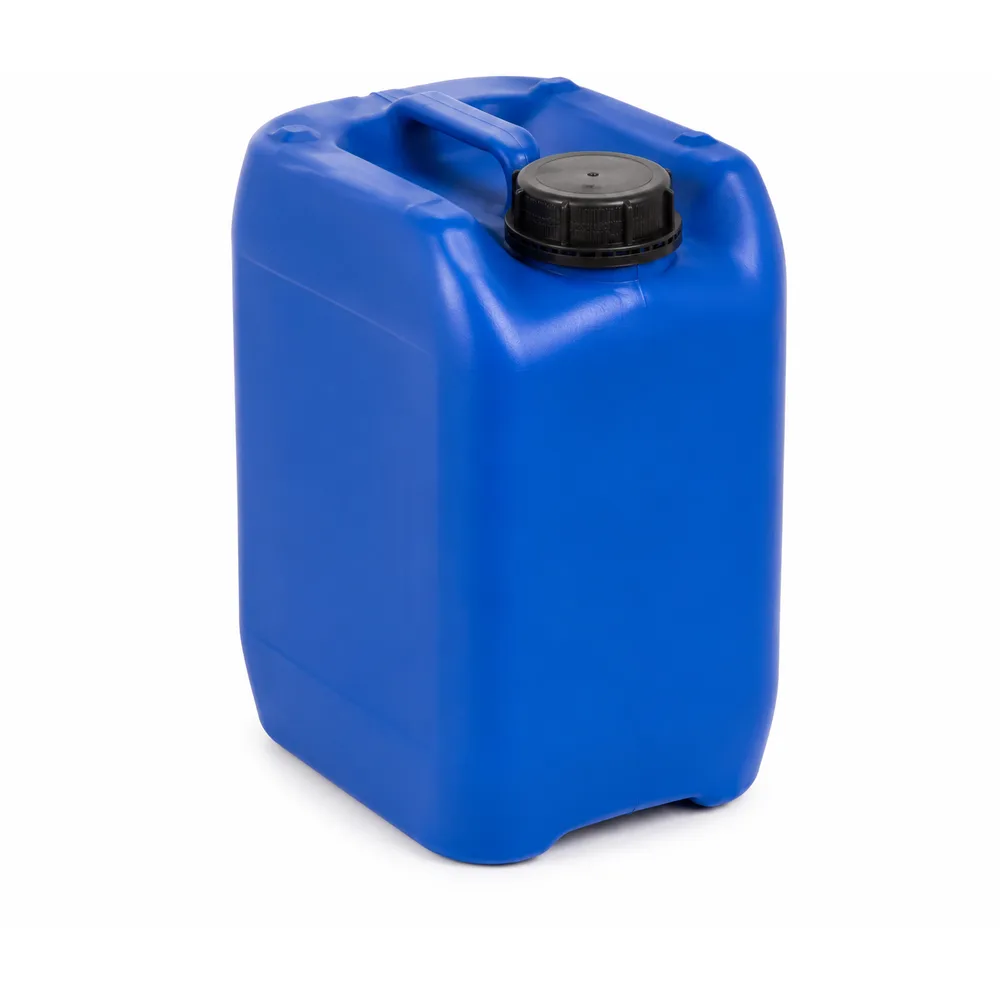 Fluorinated HDPE Jerrycan Fluorinated HDPE Jerrycan |
Fluorinated barrier controls permeation. |
| Food and potable liquids | 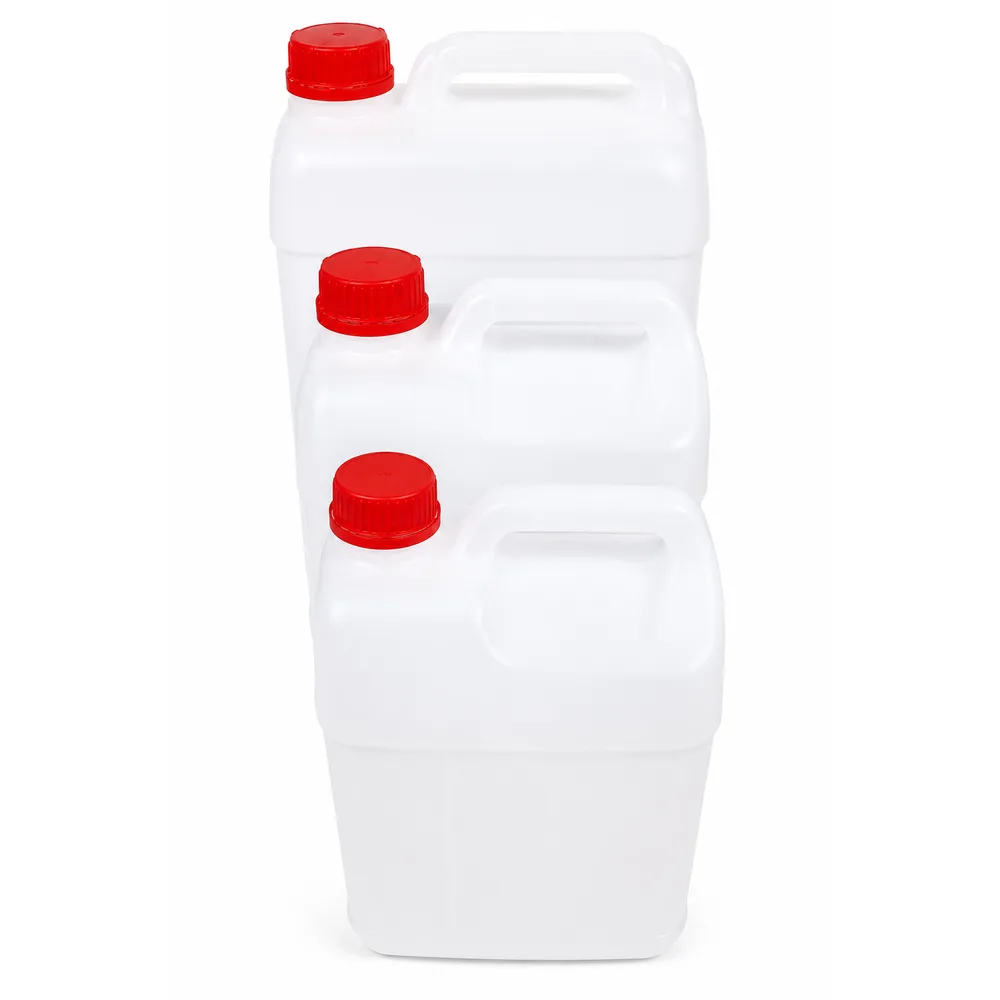 Food-Grade HDPE Jerrycan Food-Grade HDPE Jerrycan |
Food-contact resin with documentation. |
| Flammable-liquid decanting | 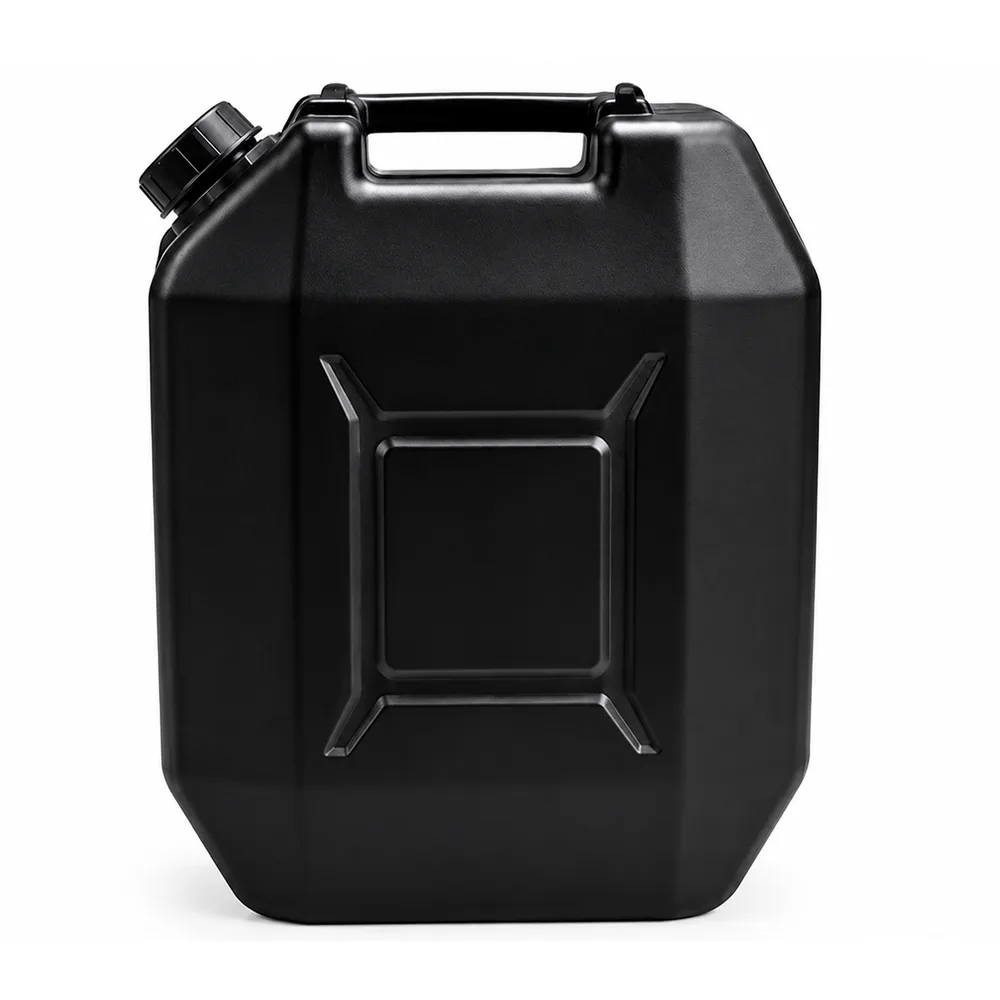 Antistatic HDPE Jerrycan Antistatic HDPE Jerrycan |
Carbon-loaded to dissipate static charge. |
| Thick or viscous liquids | 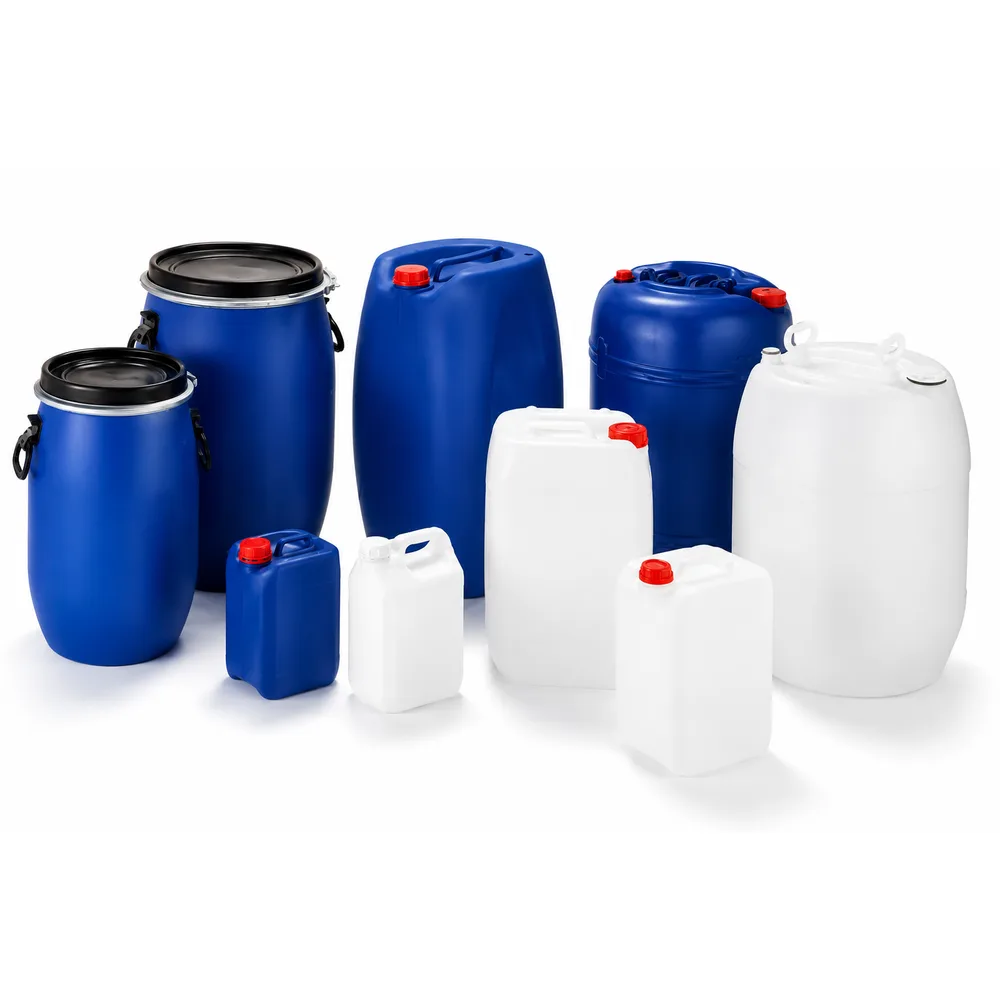 Wide-Mouth HDPE Jerrycan — UN 3H2 pattern Wide-Mouth HDPE Jerrycan — UN 3H2 pattern |
Wide 3H2 mouth for filling and cleaning. |
| Water and general chemicals | 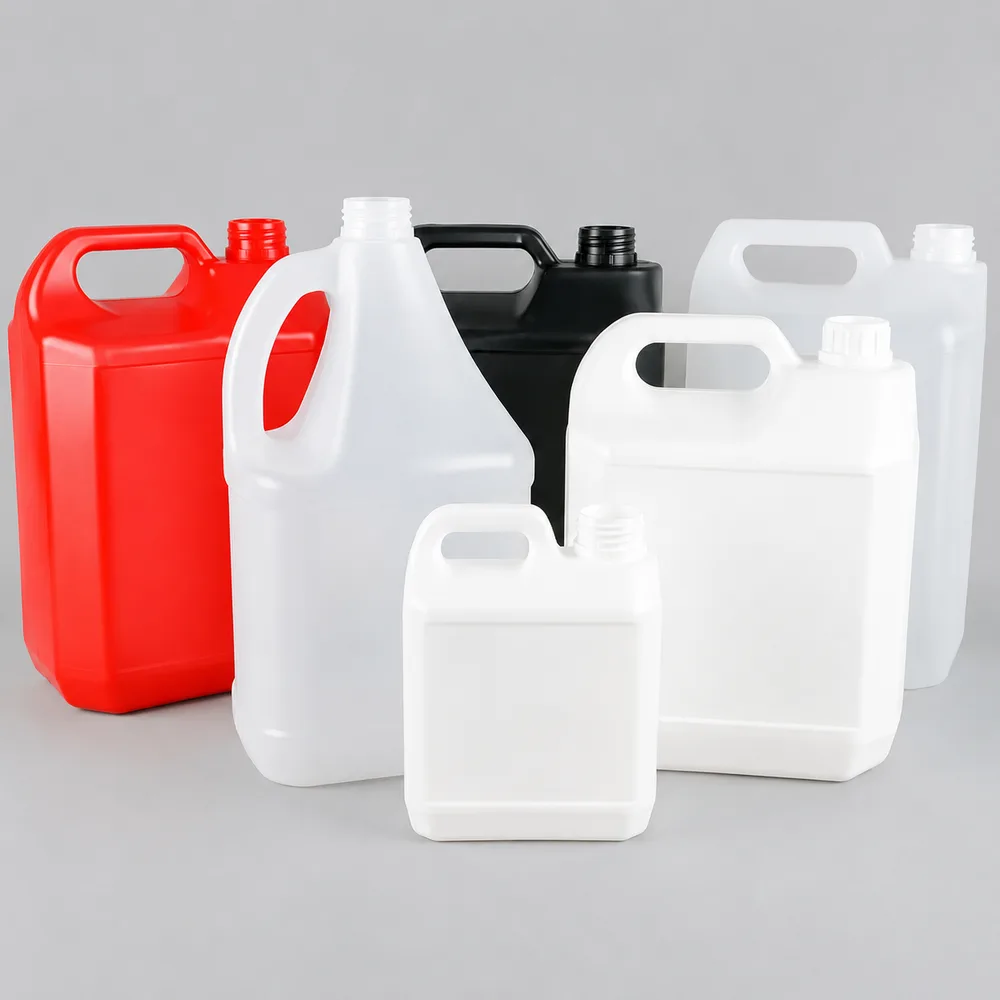 Economy HDPE Jerrycan — non-UN Economy HDPE Jerrycan — non-UN |
The volume line for non-fuel duty. |