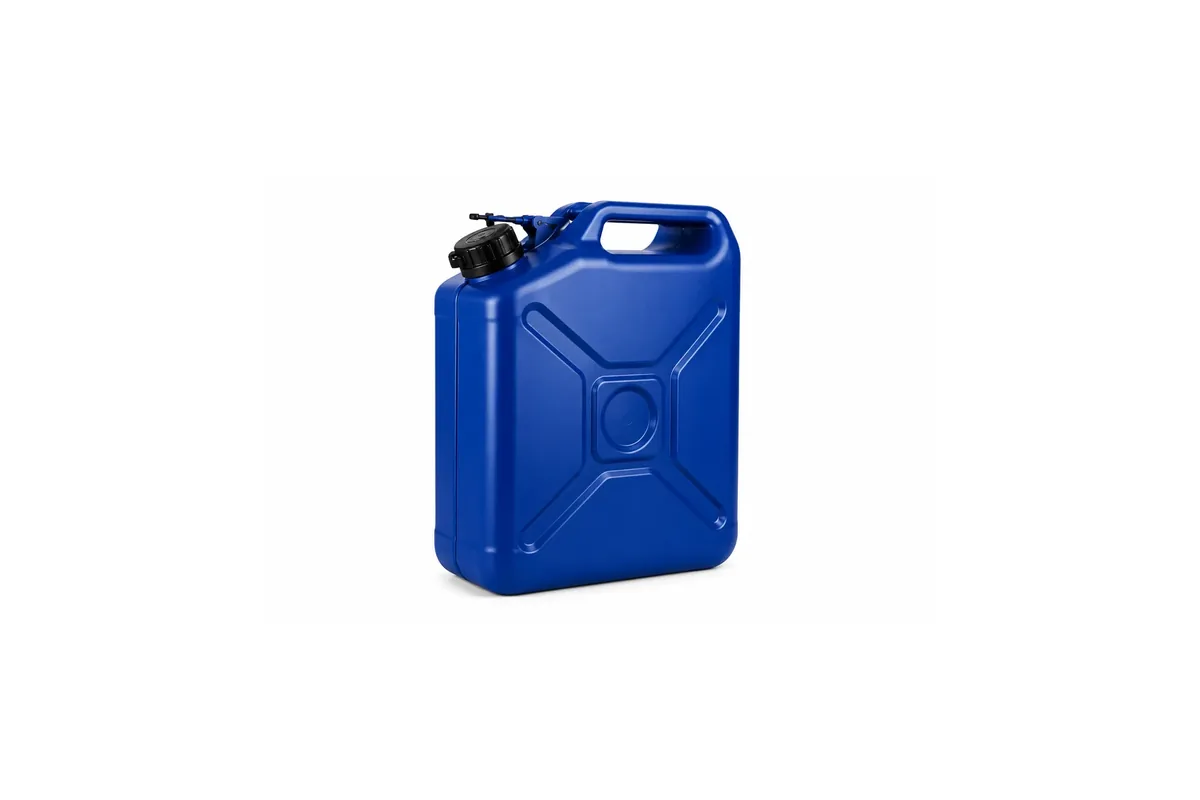
Diesel exhaust fluid is a precision consumable, not a fuel. It is a 32.5% urea solution to ISO 22241, sold as AdBlue, and it is ruined by contamination. The container matters as much as the fluid.
What DEF actually is
DEF is a 32.5% solution of high-purity urea in deionised water, made to ISO 22241. AUS 32 is the specification name and AdBlue is the common trade name for the same fluid. It is not a fuel and it does not burn. It feeds the SCR (selective catalytic reduction) system, where it converts NOx in the exhaust into nitrogen and water. The purity that makes this work is fragile, so the fluid and its container are held to the same standard.
Purity is the requirement
DEF is dosed into a vehicle's exhaust to cut NOx, and the dosing system is sensitive to contamination. A trace of the wrong metal or a residue of fuel can put a vehicle into a fault state. A DEF container is defined by what it must not contain as much as what it holds.
Compatible and incompatible materials
DEF is compatible with HDPE, polypropylene and certain stainless steels (304 and 316). It is corroded or contaminated by carbon steel, zinc, copper, brass and aluminium. That rules out a galvanized steel fuel can, and it rules out a brass tap or fitting. A DEF container is HDPE or stainless throughout, with no incompatible metal in the wetted path.
Why those metals are excluded
The banned metals corrode in contact with the urea solution and leach ions into it. Those ions poison the SCR catalyst and foul the dosing injector, which is the sensitive part that meters fluid into the exhaust. Carbon steel and zinc corrode outright. Copper, brass and aluminium leach into the fluid. A few parts of the wrong metal are enough to ruin a tank of DEF and to trigger the fault state, so every wetted surface, closure and fitting stays HDPE, PP or 304/316 stainless.
Storage and shelf life
DEF has a working temperature window. It freezes at about minus 11 degrees Celsius, and prolonged storage above roughly 30 degrees shortens its shelf life. Keep it sealed, out of direct sun, and within the range in the ISO 22241 handling guidance. Shelf life is driven by temperature: cooler storage extends it, and heat shortens it.
Freezing and headspace
DEF expands as it freezes. A rigid container filled to the brim has nowhere to take that expansion and can split, so leave headspace before storing it cold. Freezing itself does no harm. The fluid thaws without damage and is designed to, so a frozen and thawed container of DEF is still good. The split from a brimmed container is the failure, not the freeze.
Dispensing and keeping it clean
Use dedicated dispensing equipment for DEF, never a spout or pump shared with fuel or another chemical. Cross-contamination from a shared fitting is a common cause of a ruined tank of fluid. Airborne dust and topping up from a dirty jug contaminate it just as fast, so keep the container sealed between uses and pour only through clean, compatible taps and dispensing valves. The common mistakes are consistent: a brass or galvanised tap or funnel, a shared diesel spout, or a container brimmed full that then freezes and splits. On a farm or worksite this sits alongside your agricultural fuel storage, and it must stay strictly separate from it.
How Fortitude21 handles it
Our DEF can is built for AUS 32 urea solution, in a compatible material with a compatible closure. Do not substitute a steel fuel can or a brass-tapped dispenser. Send us your volumes and we specify the right container and fittings.
Match the can to the job
Compatible throughout, dispensed clean. Here is the DEF kit.
| Your use case | Recommended can | Why this one |
|---|---|---|
| DEF / AdBlue storage | 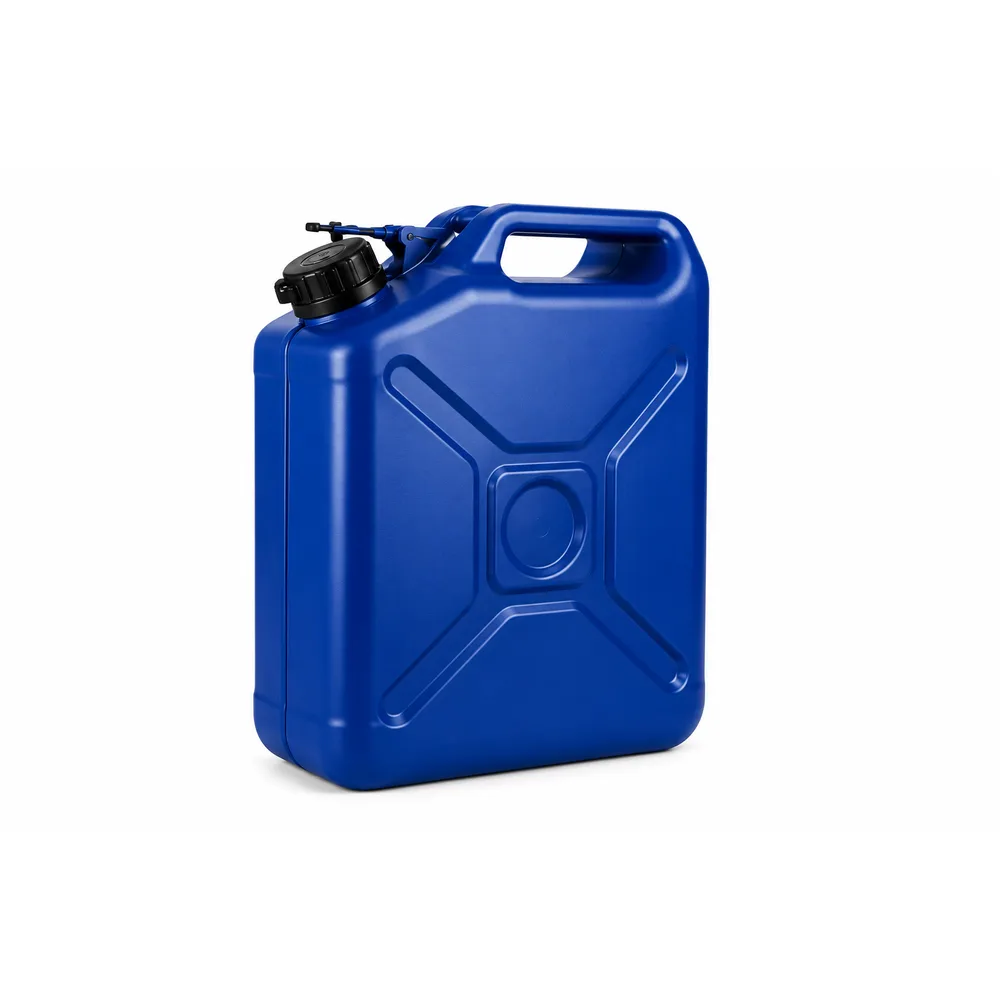 DEF Can — Diesel Exhaust Fluid DEF Can — Diesel Exhaust Fluid |
Built for AUS 32, compatible material and closure. |
| Dedicated DEF dispensing | 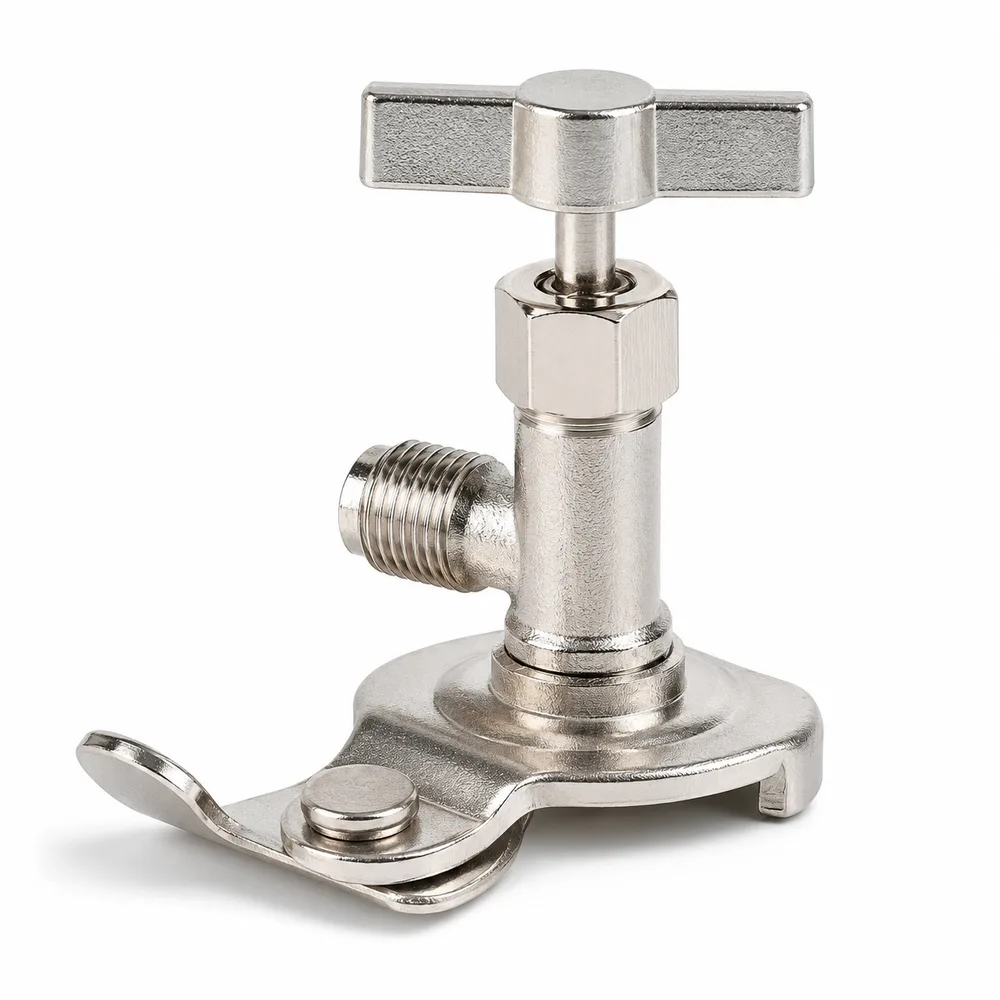 Taps & Dispensing Valves Taps & Dispensing Valves |
A compatible tap, never shared with fuel. |
| A stainless option | 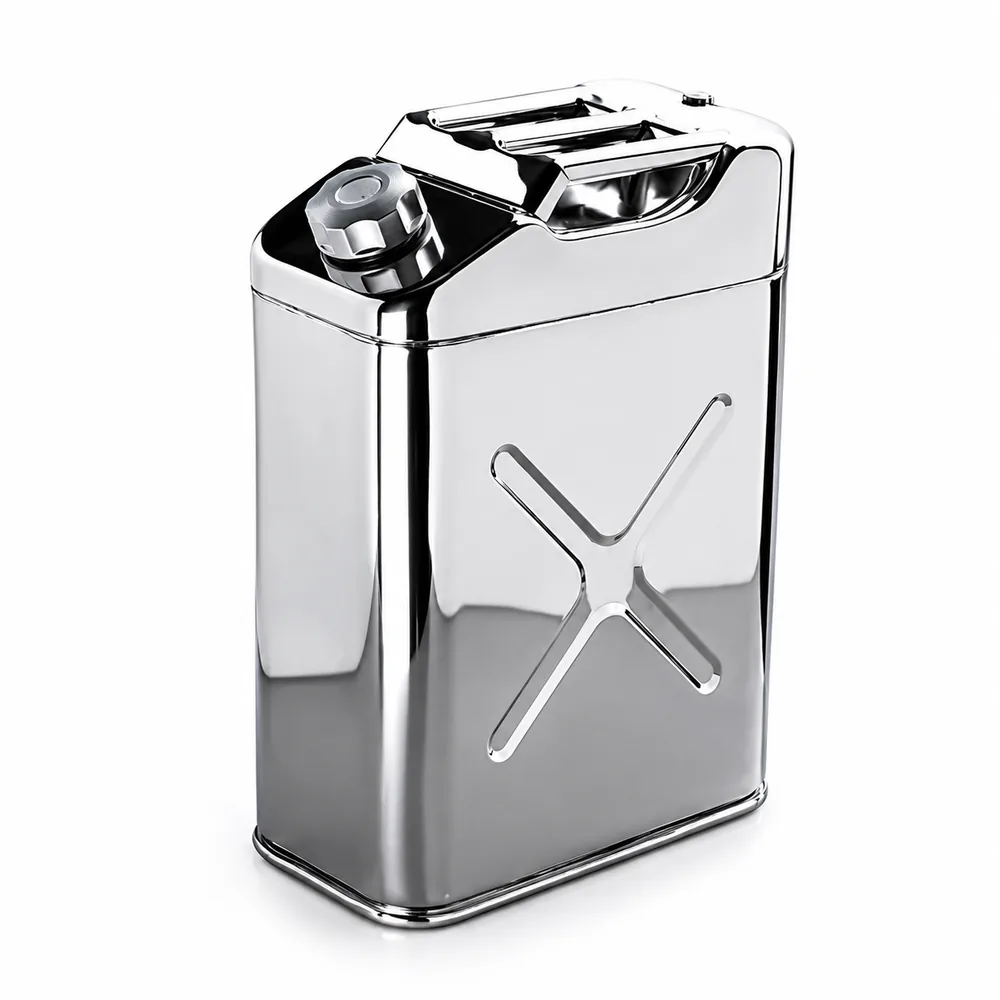 20L Stainless Steel Water Can 20L Stainless Steel Water Can |
AISI 304/316 stainless is DEF-compatible throughout. |
| Decanting from a DEF drum or IBC | 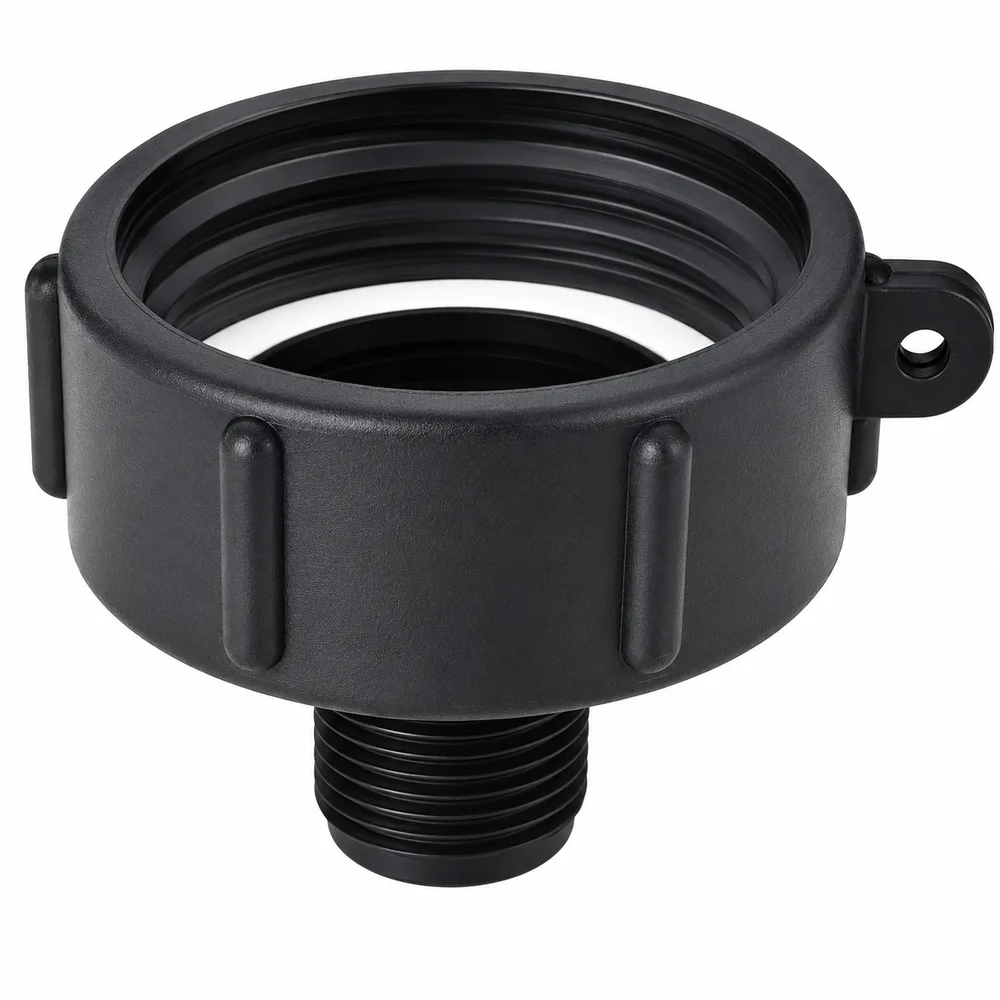 Drum & IBC Adapters Drum & IBC Adapters |
Adapters to fill cleanly without a shared spout. |